
Resort Architecture and Township Design and Planning: Building Sustainable Communities for the Future
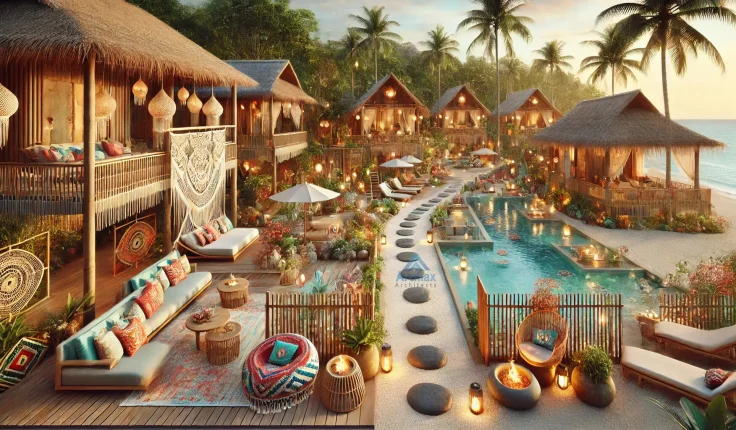
The way we design and develop spaces has a significant impact on our lifestyle, comfort, and overall well-being. Modern architecture is no longer limited to creating visually appealing structures; it focuses on developing functional, sustainable, and people-centric environments. Two important aspects of this evolution are Resort Architecture and Township Design and Planning, which combine thoughtful design, environmental responsibility, and innovative planning to create exceptional living and recreational experiences.
While resort architecture focuses on creating relaxing destinations that connect people with nature, township design and planning aims to develop integrated communities with residential, commercial, recreational, and social infrastructure. Together, these disciplines contribute to a more balanced and sustainable approach to modern development.
Understanding Resort Architecture
Resort Architecture is a specialized branch of architectural design that focuses on creating comfortable, attractive, and immersive destinations for leisure, relaxation, and recreation. It involves designing resorts, holiday retreats, wellness destinations, and hospitality spaces that offer visitors a memorable experience.
Unlike conventional buildings, resorts are often designed around their natural surroundings. Landscapes, water features, mountain views, gardens, and open spaces become essential elements of the architectural concept. The primary objective is to create a seamless connection between indoor comfort and outdoor beauty.
Modern resort architecture emphasizes several important elements, including:
1. Integration with Nature
Successful resort designs preserve and enhance the natural environment. Architects carefully consider the existing terrain, vegetation, sunlight, wind direction, and views before finalizing a design. This approach minimizes environmental disturbance while creating a strong connection between guests and nature.
2. Functional and Aesthetic Design
A resort should offer more than visual appeal. Guest rooms, restaurants, wellness facilities, swimming pools, and recreational areas must be planned to ensure convenience, privacy, accessibility, and efficient circulation. A well-organized layout improves the overall guest experience.
3. Sustainable Building Practices
Energy-efficient lighting, natural ventilation, rainwater harvesting, locally sourced materials, and water-efficient fixtures can reduce the environmental footprint of a resort. Sustainable design also helps manage long-term operating costs.
4. Unique Guest Experiences
Contemporary resort architecture often incorporates local culture, traditional materials, regional craftsmanship, and distinctive landscape features. These design elements create a sense of place and help distinguish one destination from another.
By combining these principles, architects can create resorts that are environmentally responsible, visually distinctive, and commercially attractive.
The Importance of Township Design and Planning
Township Design and Planning is a comprehensive process that involves creating well-organized, self-sufficient, and sustainable communities. Unlike individual residential projects, townships require a broader vision that considers housing, transportation, infrastructure, public spaces, and community facilities as interconnected elements.
A well-planned township provides residents with convenient access to essential services while promoting social interaction, environmental sustainability, and an improved quality of life.
Several factors play a crucial role in effective township planning.
1. Strategic Land Use Planning
Land use planning determines how different areas within a township will function. Residential zones, commercial developments, educational institutions, healthcare facilities, recreational spaces, and public amenities must be positioned strategically to ensure accessibility and balanced development.
Proper zoning also helps minimize traffic congestion and creates a logical relationship between different activities.
2. Infrastructure and Connectivity
Efficient infrastructure forms the foundation of every successful township. Roads, pedestrian pathways, cycling routes, drainage systems, water supply, electricity, and waste management facilities must be planned from the beginning.
A well-connected transportation network improves mobility and encourages residents to walk or cycle for shorter journeys.
3. Green Spaces and Environmental Sustainability
Parks, landscaped gardens, green corridors, and community spaces contribute to healthier living environments. These spaces provide opportunities for recreation, improve the visual character of the township, and support biodiversity.
Sustainable township planning can also incorporate renewable energy, wastewater recycling, rainwater harvesting, and climate-responsive building design.
4. Community-Centric Development
A township should support everyday life by providing access to schools, healthcare facilities, shopping areas, sports facilities, and social gathering spaces. These amenities reduce the need for long commutes and encourage a stronger sense of community.
Thoughtful planning ensures that the development serves residents’ long-term needs rather than focusing exclusively on construction and density.
How Resort Architecture and Township Planning Work Together
Although Resort Architecture and Township Design and Planning serve different purposes, both share a common objective: creating functional, attractive, and sustainable environments.
Their integration can be particularly valuable in mixed-use developments, integrated townships, wellness communities, and destination-based residential projects.
For example, a thoughtfully planned township may include a resort-style clubhouse, landscaped recreational zones, wellness centres, nature trails, and hospitality facilities. These amenities can enhance residents’ lifestyles while adding value to the overall development.
Similarly, resort-inspired design principles can improve residential communities through better landscaping, open spaces, pedestrian-friendly layouts, and a stronger connection with nature.
However, successful integration requires careful consideration of privacy, accessibility, traffic movement, environmental impact, and the distinction between public and private spaces. A balanced master plan ensures that recreational facilities complement residential life without compromising functionality.
The Role of Technology in Modern Design
Technology is transforming the way architects and planners approach development. Building Information Modelling (BIM), geographic information systems (GIS), 3D visualization, and digital site analysis help professionals make informed decisions throughout the design process.
These tools allow architects and planners to evaluate site conditions, optimize land use, coordinate infrastructure, and identify potential design challenges before construction begins.
Smart technologies can further improve energy management, water consumption, security, and maintenance. When incorporated thoughtfully, technology supports more efficient and future-ready developments.
Conclusion
Resort Architecture and Township Design and Planning are essential disciplines in creating environments that combine aesthetics, functionality, sustainability, and comfort. While resort architecture focuses on exceptional hospitality and leisure experiences, township planning creates organized communities that support everyday living.
The future of development lies in integrating innovative design, responsible resource management, efficient infrastructure, and people-focused planning. By prioritizing these principles, developers, architects, and urban planners can create spaces that deliver lasting value to residents, visitors, and the surrounding environment.
Ultimately, successful design is not just about constructing buildings or organizing land. It is about shaping experiences, strengthening communities, and creating sustainable places where people can live, relax, connect, and thrive.

Related Posts

Sign Board Printing and Ute Signs: Effective Branding Solutions for Your Business
Lucas Reed / October 21, 2026

School Electrical Test and Tag: Ensuring a Safe Learning Environment
Hannah Campbell / October 21, 2026
Concept Masterplanning for Investor Presentation UAE: Turning Vision into Investment Opportunities
Hannah Campbell / October 21, 2026
Recent Articles


ABOUT ME

I love to travel and then share my emotions with the readers. Thank you for following me on social media. Stay tuned for more updates!
Jenny Preston
ADVERTISEMENTS