What Industries Can Benefit From Soft Robotic Grippers?

Soft robotic technology is changing the way industries handle, sort, pick, and package products. Unlike traditional rigid robotic systems, a Soft robotic gripper uses flexible materials and adaptive movements to handle objects with different shapes, sizes, textures, and levels of fragility. This flexibility makes soft gripping useful in industries where conventional robotic hands may apply too much pressure or struggle with irregular products.
From food processing and agriculture to healthcare, logistics, and manufacturing, businesses can use soft robotic grippers to improve automation while reducing product damage. As companies look for safer, more flexible, and efficient automation solutions, soft gripping continues to attract attention across many sectors.
How Does Soft Gripping Support Food Processing?
The food industry can benefit significantly from soft robotic technology. Food products often vary in shape, size, weight, and texture. Items such as fruits, vegetables, baked goods, and prepared foods can become damaged when handled with rigid mechanical grippers.
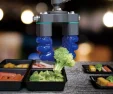
A Soft robotic gripper can gently adjust its grip according to the product. Its flexible fingers or surfaces can conform to irregular shapes without applying excessive force. This feature helps businesses automate picking and packing while protecting food quality.
For example, a soft gripper can pick delicate fruits from a conveyor and place them into packaging. It can also handle bread, pastries, and other products that require careful movement. This combination of flexibility and control makes soft gripping valuable for modern food production lines.
Why Is Agriculture Suitable for Soft Robotic Grippers?
Agriculture presents unique automation challenges because crops are natural products with different shapes, sizes, and levels of ripeness. Traditional robotic systems may find it difficult to handle delicate produce without causing bruising or other damage.
Soft robotic grippers can provide a more adaptable solution. They can gently grasp vegetables, fruits, flowers, and other agricultural products. Sensors can also help robotic systems detect the position and condition of an item before the gripper moves it.
Farmers and agricultural businesses can use soft gripping for harvesting, sorting, packaging, and processing. Automation can reduce repetitive manual work while supporting consistent handling. As agricultural businesses increase their use of robotics, flexible gripping systems can become an important part of automated harvesting and post-harvest operations.
How Can Healthcare Use Soft Robotic Grippers?
Healthcare is another industry where gentle and controlled robotic movement matters. Medical environments often require equipment to interact with delicate objects and, in some applications, the human body.
A soft robotic gripper can provide controlled movement while reducing the risk associated with excessive mechanical force. Researchers and manufacturers can explore soft robotic systems for handling medical supplies, laboratory materials, rehabilitation equipment, and other sensitive items.
Soft gripping can also support the development of assistive robotic devices. Flexible materials can create movements that are more adaptable than traditional rigid mechanisms. This approach may help engineers develop safer human-robot interactions for specific healthcare applications.
Can Electronics Manufacturers Benefit From Soft Gripping?
Electronics manufacturing requires precise handling because many components are small, lightweight, and sensitive to pressure. A rigid gripper may damage delicate parts if it applies excessive force.
Soft robotic grippers can help manufacturers handle electronic components with greater flexibility. Their compliant structure allows the gripper to adapt to different surfaces and shapes. This can support applications such as component handling, assembly, sorting, and packaging.
In automated production environments, soft gripping can also help manage products that vary slightly in dimensions. Instead of requiring a separate rigid tool for every object, one adaptable gripper may handle multiple product types.
How Does the Automotive Industry Use Flexible Robotic Gripping?
The automotive industry already relies heavily on automation for manufacturing and assembly. However, many processes still require robots to interact with components that have different shapes, surfaces, and weights.
Soft robotic grippers can complement traditional automation by handling objects that require greater flexibility. Manufacturers can use them for picking components, organizing parts, packaging products, and handling materials during selected assembly processes.
Soft gripping can also support flexible production environments. When manufacturers produce several product variations on the same line, adaptable robotic tools can help reduce the need for frequent mechanical changes.
Why Is Logistics a Strong Application for Soft Robotic Grippers?
Warehouses and fulfillment centers handle thousands of products every day. These products may include boxes, bags, bottles, clothing, packaged foods, and irregularly shaped items. A conventional robotic gripper designed for one product type may struggle when the product changes.
A Soft robotic gripper can adapt to a wider variety of objects. This makes it useful for picking and placing products in warehouses, distribution centers, and fulfillment operations.
Soft gripping can help automate tasks such as order picking, sorting, depalletizing, and packaging. By improving robotic flexibility, businesses can work toward faster material handling while reducing dependence on manual picking for repetitive tasks.
How Can E-Commerce Companies Use Soft Robotic Technology?
E-commerce businesses manage a huge variety of products. One customer order might contain clothing, cosmetics, toys, household goods, and packaged items. This product diversity creates challenges for automated picking systems.
Soft robotic grippers can help address this challenge by handling objects with different dimensions and surface characteristics. A flexible gripper can adjust its contact with each item instead of relying on a fixed gripping pattern.
This flexibility can support automated order fulfillment and packaging. As e-commerce companies continue investing in warehouse automation, soft gripping can provide another way to improve robotic adaptability.
Can Soft Robotic Grippers Improve Packaging Operations?
Packaging is common across almost every manufacturing sector. Workers or machines may need to place products into boxes, trays, containers, or protective packaging.
Soft robotic grippers can handle products gently while maintaining repeatable movements. This makes them suitable for packaging applications involving fragile, irregular, or lightweight items.
For companies seeking automation without completely redesigning their production processes, flexible gripping technology can offer an adaptable option. Businesses can integrate soft robotic systems into selected stages of packaging where product handling requires greater care.
What Role Can Soft Gripping Play in Consumer Goods Manufacturing?
Consumer goods manufacturers produce a wide range of products, including cosmetics, household products, personal care items, and packaged goods. Production lines must often accommodate frequent product changes.
Soft robotic systems can help manufacturers manage this variety. Their flexible gripping surfaces can handle products with different shapes and materials. This can make automated picking and placement more versatile.
Companies such as Soft Robotics Inc have helped bring attention to soft robotic gripping technology and its potential applications in automated material handling. The technology demonstrates how flexible robotic mechanisms can address tasks that require both automation and careful product handling.
Why Should Manufacturers Consider Soft Robotic Grippers?
Soft robotic grippers offer several potential benefits across industries. Their compliant construction allows them to interact with objects more gently than many rigid gripping systems. They can also handle product variations without requiring a completely different mechanical design for every item.
Key benefits can include:
- Gentler product handling: Flexible gripping can reduce excessive pressure on delicate products.
- Greater adaptability: One gripper may handle multiple shapes and sizes.
- Automation flexibility: Businesses can use soft grippers for different picking and placement tasks.
- Improved product protection: Controlled gripping can help reduce damage during handling.
- Support for high-mix production: Flexible tools can work well where product varieties frequently change.
- Better human-robot interaction: Compliant materials can support applications where robots work near people.
However, the right solution depends on the product, operating environment, payload, cycle time, hygiene requirements, and automation goals.
Which Industries Are Most Likely to Adopt Soft Gripping?
Soft robotic grippers have applications across many sectors because flexible handling solves a common automation problem: how to move different objects safely and efficiently.
The most relevant industries include food processing, agriculture, healthcare, electronics, automotive manufacturing, logistics, e-commerce, packaging, and consumer goods. Each sector can use the technology for different purposes, but the central advantage remains similar—soft gripping allows robots to interact with objects more adaptively.
As automation becomes more flexible, businesses will increasingly look beyond traditional rigid robotic tools. Soft Robotics Inc is one example of a company associated with the development and application of soft robotic gripping solutions.
What Is the Future of Soft Robotic Grippers?
The future of soft robotics will likely focus on greater adaptability, improved sensing, stronger materials, and smarter control systems. As robots become better at recognizing objects and adjusting their movements, soft grippers can perform increasingly complex handling tasks.
Businesses can benefit from this development by identifying applications where conventional grippers struggle with product variation or delicate handling. Soft gripping does not need to replace every traditional robotic system. Instead, it can complement existing automation where flexibility and gentle contact provide practical advantages.
Overall, the growing use of Soft robotic gripper technology reflects a broader shift toward adaptable automation. From farms and food factories to warehouses and electronics plants, industries can explore soft gripping to create more flexible, efficient, and product-friendly robotic processes.

- TAGS :
- Soft robotic gripper
Related Posts

How Can You Prepare for the Salesforce Sales Cloud Consultant Exam?
Andrin Andrin / September 16, 2026

What Does Professional WordPress Website Management Include?
Andrin Andrin / September 14, 2026

How Can Veterinary Software Dubai Help Modern Vet Clinics Work Smarter?
Andrin Andrin / September 11, 2026
Recent Articles



ABOUT ME

I love to travel and then share my emotions with the readers. Thank you for following me on social media. Stay tuned for more updates!
Jenny Preston
ADVERTISEMENTS