
Timeless Furniture Design: Creating Sophisticated Interiors With Character
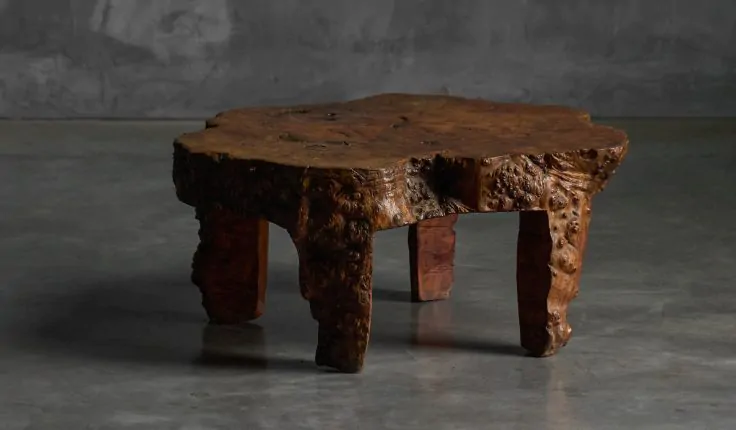
Furniture has the unique ability to transform an ordinary room into an expressive and memorable environment. The right combination of form, material, craftsmanship, and functionality can create an interior that feels sophisticated without becoming predictable. From iconic mid-century pieces to contemporary collectible furniture, the world of design continues to evolve while drawing inspiration from influential figures such as Charlotte Perriand, Jean Prouvé, Afra & Tobia Scarpa, Mario Bellini, and Pierre Jeanneret.
Their enduring influence demonstrates that exceptional furniture is not simply about following fashion. It is about creating objects that remain relevant because they combine visual identity with purpose. This is the essence of Functional Art.
When Furniture Becomes Art
The concept of Functional Art challenges the traditional separation between practical objects and artistic expression. A beautifully designed chair, table, or sofa can serve its everyday purpose while also becoming a focal point within an interior.
This philosophy can be traced through the work of Charlotte Perriand, whose designs emphasized comfort, usability, and modern living. Her approach showed that furniture could respond to changing lifestyles while maintaining a refined aesthetic.
Likewise, Jean Prouvé explored the relationship between industrial production and design. His structural approach created furniture with a distinctive visual language, demonstrating that engineering and artistry can work together. These principles remain highly relevant to today’s interiors, where homeowners and designers increasingly seek pieces with authenticity and lasting value.
Iconic Forms That Continue to Inspire
Few names demonstrate the power of expressive furniture better than Mario Bellini. His approach to organic forms and innovative construction challenged conventional ideas about seating and living environments. The Camaleonda remains particularly recognizable because of its modular design and generous proportions.
The flexibility of the Camaleonda makes it suitable for contemporary interiors where spaces need to adapt to different activities. It can function as a social centerpiece, a relaxed lounge area, or a sculptural statement depending on how it is arranged.
The work of Afra & Tobia Scarpa offers another perspective on sophisticated furniture design. Their designs combine material experimentation, comfort, and craftsmanship, creating pieces that demonstrate how technical innovation can coexist with elegance.
The Natural Beauty of Craftsmanship
The use of natural materials brings another dimension to timeless furniture. The philosophy associated with Nakashima placed extraordinary importance on the inherent beauty of wood. Rather than treating imperfections as flaws, his approach allowed natural grain, knots, and irregularities to become part of the design.
This appreciation for authentic materials continues to influence modern furniture makers and collectors. Wood can add warmth and depth to minimalist interiors while creating a visual connection between contemporary spaces and traditional craftsmanship.
Similarly, Pierre Jeanneret demonstrated how carefully balanced proportions and strong geometric forms can create furniture that feels both practical and sculptural. His work remains an important reference for designers interested in creating interiors with architectural clarity.
A Contemporary Design Perspective
The ideas of boris devis bring these historical influences into a contemporary context. As a Boris Devis designer, his approach reflects an appreciation for collectible furniture, distinctive materials, and carefully composed interiors.
The philosophy behind Goldwood by Boris furniture centers on the belief that furniture should contribute meaningfully to the atmosphere of a space. Instead of selecting pieces simply because they are fashionable, a considered interior brings together objects that complement the architecture and express the personality of its occupants.
This approach is particularly visible in Goldwood by Boris interiors, where furniture can act as an important architectural component. A sculptural sofa can establish the character of a living area, while a handcrafted table can create a natural gathering point for family and guests.
Antwerp and the Art of Curated Living
The design identity associated with Goldwood by Boris Antwerp reflects the city’s strong connection to creativity, architecture, fashion, and contemporary art. Antwerp provides an inspiring environment for designers who appreciate the dialogue between historical influences and modern aesthetics.
In this setting, curated furniture becomes more than an accessory. It can create visual rhythm, introduce contrast, and establish a sense of balance throughout a room. The combination of vintage references, contemporary craftsmanship, and carefully selected materials can produce interiors that feel collected rather than manufactured.
Building a Timeless Collection
A successful Goldwood by Boris collection is ultimately about creating connections between individual pieces. Different periods and design movements can coexist when they share qualities such as strong proportions, exceptional craftsmanship, authentic materials, and practical purpose.
This is why the influence of Charlotte Perriand, Jean Prouvé, Afra & Tobia Scarpa, Mario Bellini, Nakashima, and Pierre Jeanneret continues to resonate. Their designs demonstrate that great furniture does not depend on fleeting trends. Instead, it develops a lasting relationship with its surroundings and the people who use it.
Modern interiors increasingly demand more than visual appeal. They need to be comfortable, functional, expressive, and enduring. By bringing together design heritage and contemporary sensibility, Goldwood by Boris presents an approach where furniture becomes an essential part of the living experience.
Ultimately, the finest interiors are not defined by how many objects they contain, but by the quality and meaning of the pieces they choose. When craftsmanship, functionality, and artistic expression come together, furniture becomes more than something to sit on, place objects upon, or store belongings in—it becomes an enduring part of the architecture and identity of a home.

- TAGS :
Related Posts

Why Professional New Home Inspections Are Essential Before Property Handover
Isabella / August 20, 2026

How to Choose the Perfect Mattress for Quality Sleep and Everyday Comfort
Isabella / August 20, 2026

A Beginner’s Guide to Unlisted Shares and Pre-IPO Investment Opportunities
Isabella / August 19, 2026
Recent Articles


ABOUT ME

I love to travel and then share my emotions with the readers. Thank you for following me on social media. Stay tuned for more updates!
Jenny Preston
ADVERTISEMENTS