
Premium Elbow Support: Best Elbow Brace Options for Relief
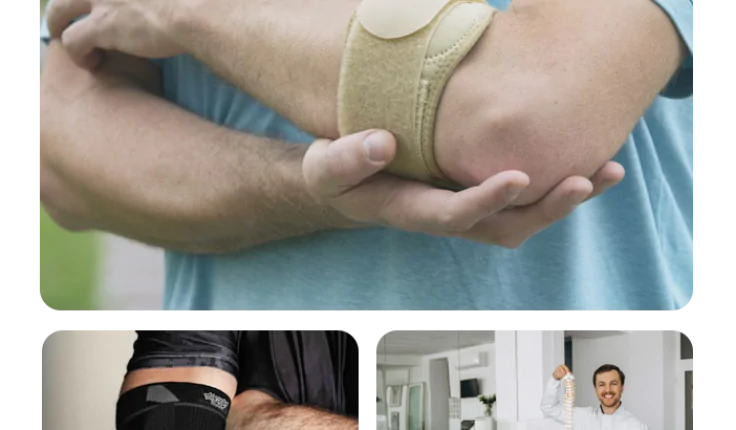
Whether you are an avid athlete, a dedicated gym-goer, or someone managing the daily strain of repetitive office work, elbow discomfort can throw a major wrench into your routine. From tennis elbow and golfer’s elbow to general joint fatigue, persistent arm pain impacts your ability to lift, write, carry groceries, or play your favorite sports.
Thankfully, you do not have to live with constant joint strain. Investing in a premium elbow support can transform your recovery process, protect your joint from further damage, and restore your confidence during movement. In this guide, we will explore how a high-quality elbow brace works, why quality matters, and how to choose the right gear to stay active and pain-free.
Understanding Elbow Strain: Why Joint Care Matters
The elbow is a complex hinge joint where the humerus (upper arm bone) meets the radius and ulna (forearm bones). It relies heavily on a complex network of tendons, ligaments, and muscles to facilitate bending, straightening, and forearm rotation.
When you perform repetitive movements—such as swinging a racquet, swinging a hammer, typing for hours, or performing heavy bench presses—these tendons can develop microscopic tears. This leads to inflammation, stiffness, and localized pain, often recognized as tendonitis.
Without proper care and targeted compression, continuing these activities can aggravate the tissue, turning minor soreness into chronic pain. This is precisely where a high-performance elbow brace becomes an essential tool in your daily wellness toolkit.
How a Premium Elbow Support Speeds Up Recovery
Not all compression gear is created equal. While cheap, flimsy sleeves might offer temporary warmth, a truly premium elbow support provides targeted therapeutic benefits that address the root causes of pain:
1. Targeted Pain Relief Through Compression
High-grade support sleeves and targeted straps apply calculated medical-grade compression around the elbow joint and surrounding forearm muscles. This targeted pressure helps dampen the vibration forces traveling up your tendons during activity, immediately reducing acute pain and preventing strain from worsening.
2. Increased Blood Flow and Accelerated Healing
Quality compression generates localized heat, increasing blood circulation to injured tissues. Enhanced blood flow delivers oxygen and vital nutrients directly to damaged tendons while helping flush away metabolic waste, drastically speeding up natural muscle and joint recovery.
3. Superior Joint Stability
A sturdy elbow brace provides structural reinforcement to the joint. By restricting sudden, erratic, or extreme angles of movement, it stabilizes the joint without completely locking down your natural range of motion.
Types of Elbow Braces and Supports
Selecting the right device depends entirely on your specific lifestyle, pain level, and daily activities.
| Support Type | Best Used For | Key Advantage |
| Full Compression Sleeve | General joint soreness, arthritis, gym workouts, basketball | Offers full-joint coverage, warmth, and uniform compression |
| Counterforce Tendon Strap | Tennis elbow (lateral epicondylitis), Golfer’s elbow | Concentrated pressure directly on the forearm tendon to relieve tension |
| Hinged or Rigid Brace | Post-surgery recovery, severe ligament tears, hyperextension | Maximum immobilization and high-level structural stability |
Key Features to Look For in a Premium Brace
When shopping for an elbow brace, paying attention to design details ensures you get maximum comfort and long-term durability:
-
Breathable, Moisture-Wicking Fabrics: Look for lightweight neoprene blends, high-grade nylon, or moisture-wicking knits that keep your skin dry during intense workouts or long work shifts.
-
Adjustable Strap Systems: A premium elbow support often features customizable hook-and-loop straps, allowing you to fine-tune the tension exactly where you need it most.
-
Non-Slip Ergonomic Fit: Inferior sleeves roll down or bunch up in the crease of your arm. Look for anatomical contoured shaping and internal silicone gel strips that lock the support securely in place.
-
Hypoallergenic Materials: Soft linings prevent chafing and skin irritation, ensuring you can wear the brace comfortably for hours at a time.
Tips for Getting the Most Out of Your Support
To maximize the benefits of your elbow brace, keep these best practices in mind:
-
Wear It During High-Stress Activities: Slip on your premium elbow support before starting activities that trigger your pain—whether that is lifting weights, gardening, playing tennis, or typing.
-
Combine With Gentle Stretching: Compression gear works best when paired with light rehabilitation exercises. Perform gentle wrist extensions and flexor stretches to keep your tendons pliable.
-
Don’t Over-Tighten: The support should feel snug and secure, never numb or painful. If you feel tingling in your fingers, loosen the straps immediately to maintain healthy circulation.
Take Control of Your Joint Health Today
Elbow discomfort shouldn’t force you to sit on the sidelines or push through agonizing workdays. By integrating a premium elbow support into your routine, you give your joints the physical reinforcement, warmth, and relief required to heal effectively. Explore your options, select an elbow brace tailored to your specific needs, and get back to moving freely without compromise.

- TAGS :
- Premium elbow support
Related Posts

Grey Masters Chair: The Perfect Blend of Style, Comfort, and Elegance
Hannah Campbell / November 14, 2026

What Materials Make a Masters-Inspired Black Dining Chair Durable?
Andrin Andrin / November 14, 2026

How Does a Black Masters Chair Combine Comfort and Style?
Andrin Andrin / November 14, 2026
Recent Articles


ABOUT ME

I love to travel and then share my emotions with the readers. Thank you for following me on social media. Stay tuned for more updates!
Jenny Preston
ADVERTISEMENTS