
How Can Modern Design Improve Later Living Homes?
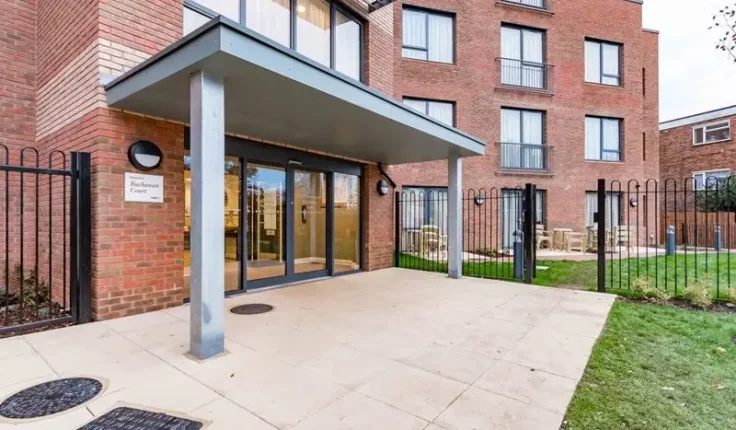
Later living homes need to provide more than accommodation. They should create safe, comfortable, welcoming spaces where older adults can maintain independence, enjoy social interaction, and receive the right level of support. Modern design plays an important role in achieving these goals. Through thoughtful layouts, natural light, accessible features, technology, and attractive interiors, care environments can become more practical and enjoyable.
For developers and operators, working with an experienced dementia care home builder can help turn these principles into a functional environment. Whether constructing a new facility or planning a care home renovation, the design should focus on the needs of residents while also supporting staff and visitors.
Why Is Modern Design Important for Later Living Homes?
Modern design can improve the everyday experience of residents. Traditional care environments sometimes focus heavily on clinical requirements, which can make spaces feel institutional. Contemporary later living design takes a more residential approach.
Designers can create warm communal areas, comfortable bedrooms, landscaped gardens, and attractive dining spaces. These features can help residents feel that they are living in a home rather than staying in a facility.
Modern design also supports accessibility. Wider circulation routes, level flooring, suitable bathroom layouts, and carefully positioned handrails can make movement easier. When residents can navigate their surroundings more confidently, they may retain greater independence.
How Can Better Layouts Improve Resident Independence?
A well-planned layout makes a major difference in later living environments. Residents should be able to understand where they are and where they need to go without unnecessary confusion.
Simple circulation routes can connect bedrooms, lounges, dining rooms, activity spaces, and gardens. Designers can use visual cues, distinct colours, artwork, and recognizable features to make different areas easier to identify.
For dementia-focused environments, this approach becomes particularly important. A specialist dementia care home builder can incorporate familiar landmarks, clear sightlines, and appropriately scaled spaces into the design.
Staff also benefit from efficient layouts. When essential areas are positioned logically, caregivers can spend less time walking between rooms and more time interacting with residents.
How Does Natural Light Enhance Later Living Spaces?
Natural light can transform an interior. Large windows, glazed doors, rooflights, and open communal spaces can make rooms feel brighter and more welcoming.
Modern designs should make effective use of daylight while managing glare and overheating. Window treatments, shading systems, and suitable glazing can help maintain comfort throughout the day.
Views of gardens and outdoor areas can also provide visual interest. A resident sitting in a lounge may enjoy watching seasonal changes, birds, trees, or everyday activity outside.
During a care home renovation, improving window layouts, removing unnecessary visual barriers, or introducing brighter communal spaces can make an existing building feel significantly more contemporary.
What Role Does Dementia-Friendly Design Play?
Dementia-friendly design should support orientation, comfort, independence, and safety. The environment can influence how easily residents understand and interact with their surroundings.
Designers can use contrasting colours to distinguish doors, floors, walls, and important fixtures. Avoiding confusing patterns can also make surfaces easier to interpret.
Bedrooms should feel personal and recognizable. Residents can benefit from memory boxes, photographs, familiar furniture, and personalized displays near their doors.
Communal spaces should remain easy to identify. A lounge might feature recognizable furniture and artwork, while a dining area can use clear visual cues to communicate its purpose.
These thoughtful details can create an environment that feels familiar rather than confusing.
How Can Accessible Bathrooms Improve Comfort and Safety?
Bathrooms require careful planning in later living homes. Modern designs should provide sufficient space for residents and carers while allowing easy access to essential fixtures.
Walk-in showers, appropriately positioned grab rails, non-slip flooring, accessible sinks, and suitable toilet layouts can improve usability. Designers should also consider lighting and ventilation.
A modern bathroom does not have to look clinical. Contemporary materials and attractive fixtures can create a comfortable residential appearance while maintaining practical requirements.
During a care home renovation, upgrading bathrooms can be an effective way to improve both accessibility and the overall appearance of the building.
How Can Outdoor Spaces Support Wellbeing?
Outdoor areas are an important part of modern later living design. Gardens, terraces, courtyards, and walking routes can encourage residents to spend time outside.
A well-designed garden can include seating areas, planting, shaded spaces, raised beds, and safe walking paths. These features can support relaxation and social activities.
For residents living with dementia, secure outdoor spaces can provide opportunities for movement and exploration while maintaining appropriate safety measures.
Connecting communal rooms directly to gardens can make outdoor areas easier to access. Large doors and covered transition spaces can also encourage residents to use them throughout the year.
How Can Technology Improve Modern Later Living Homes?
Technology can support both residents and staff. Modern later living homes can incorporate systems that improve communication, security, environmental control, and operational efficiency.
Smart lighting can provide appropriate illumination throughout different parts of the day. Automated systems can help control temperature and energy use. Digital communication tools can support staff coordination.
Technology should remain simple and unobtrusive. Residents should not feel surrounded by complicated equipment. Instead, technology should work quietly in the background while maintaining the residential character of the environment.
Why Should Modern Homes Include Flexible Communal Areas?
Social interaction is an important part of a successful later living environment. Communal areas should therefore accommodate different activities and preferences.
A large lounge can support group events, while smaller seating areas can provide quieter spaces for conversation. Dining rooms can encourage residents to eat together, while activity rooms can accommodate hobbies, exercise, crafts, or entertainment.
Flexible furniture allows staff to change layouts according to different activities. This approach helps a single space serve multiple purposes without requiring excessive floor area.
Modern design can therefore balance private spaces with opportunities for community.
How Can Interior Design Create a Homely Atmosphere?
Interior design strongly influences how residents perceive their surroundings. Soft furnishings, artwork, natural materials, comfortable seating, and personal decorations can make spaces feel more familiar.
Designers can introduce different themes or visual identities for separate areas. However, they should avoid excessive visual complexity.
Bedrooms should offer opportunities for personalization. Communal areas can use residential-style furniture rather than furniture that creates a strongly institutional appearance.
The objective is to combine durability and safety with warmth and personality.
How Can Sustainable Design Benefit Later Living Homes?
Sustainability is becoming increasingly important in modern construction. Energy-efficient lighting, improved insulation, efficient heating and cooling systems, responsible material selection, and water-saving fixtures can reduce operational demands.
Good environmental design can also improve resident comfort. Appropriate ventilation and thermal control can help maintain pleasant indoor conditions.
During new construction or a care home renovation, operators can consider long-term running costs alongside initial investment. Sustainable improvements may support both environmental goals and operational efficiency.
What Should You Consider When Planning a Modern Later Living Home?
Successful design begins with understanding residents, staff, families, and operational requirements. Developers should consider accessibility, safety, comfort, maintenance, social interaction, and future flexibility from the beginning.
Experienced Care Home Builders can help coordinate architectural planning, construction requirements, interior considerations, and practical care needs. A strong design should not simply look modern; it should work effectively every day.
Existing buildings may also benefit from carefully planned improvements. A care home renovation can upgrade outdated areas, improve accessibility, modernize communal spaces, and create a more welcoming environment without necessarily replacing the entire building.
How Can Modern Design Create Better Experiences for Residents?
Modern design can make later living homes safer, more accessible, comfortable, and engaging. From natural light and dementia-friendly layouts to attractive gardens, flexible communal areas, accessible bathrooms, and smart technology, every design decision can contribute to the resident experience.
The most successful environments combine practical functionality with a genuine sense of home. With careful planning and support from experienced Care Home Builders, developers can create later living spaces that respond to changing needs while offering residents dignity, independence, and comfort.
Ultimately, modern design should place people at the centre of every decision. When buildings support the way residents live, socialize, move, and receive care, they can become meaningful homes rather than simply functional facilities.

- TAGS :
- dementia care home builder
Related Posts

Why ADARSH URBANITE Is Becoming a Preferred Choice for Modern Urban Living
Hannah Campbell / October 8, 2026

How to Choose the Best Immigration Consultants in Qatar for a Successful Immigration Journey
Hannah Campbell / October 8, 2026

AI Job Board Singapore and Freelance Jobs in Singapore: Finding the Right Opportunities
Hannah Campbell / October 8, 2026
Recent Articles


ABOUT ME

I love to travel and then share my emotions with the readers. Thank you for following me on social media. Stay tuned for more updates!
Jenny Preston
ADVERTISEMENTS