
Customs Clearance Brokerage vs. Self Customs Brokerage Clearance: Choosing the Right Approach for International Trade
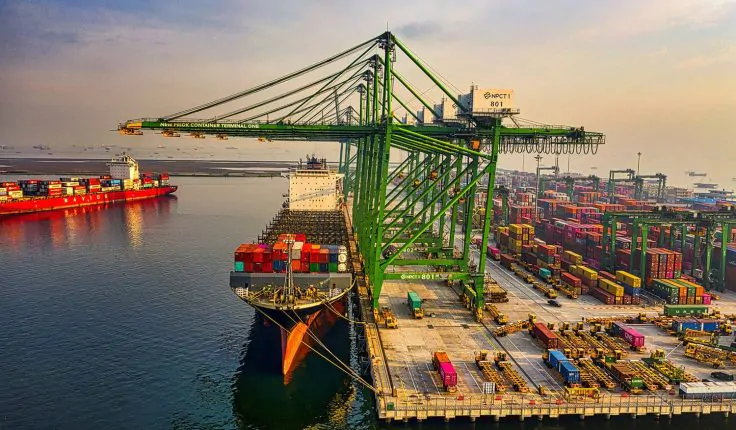
International trade has become a vital part of modern business operations, enabling companies and individuals to import and export goods across global markets. However, moving products across borders involves more than simply arranging transportation. Every shipment must comply with customs regulations, documentation requirements, duties, and taxes imposed by the destination country. This is where customs clearance brokerage plays a critical role.
At the same time, some importers explore the option of self customs brokerage clearance to reduce costs and maintain direct control over the customs process. Understanding the differences between these two approaches can help businesses and individuals make informed decisions when handling international shipments.
What Is Customs Clearance Brokerage?
Customs clearance brokerage refers to the professional service provided by licensed customs brokers who assist importers and exporters in navigating customs regulations and procedures. These experts act as intermediaries between businesses and government customs authorities, ensuring that shipments comply with all applicable laws and requirements.
A customs broker typically handles:
- Import and export documentation
- Tariff classification
- Duty and tax calculations
- Customs declarations
- Regulatory compliance
- Shipment release coordination
- Communication with customs authorities
By using customs clearance brokerage services, businesses can simplify complex customs procedures and reduce the risk of costly delays or penalties.
Why Customs Clearance Is Important
Every country has its own customs regulations designed to control the movement of goods across its borders. Failure to comply with these requirements can result in shipment delays, fines, inspections, or even cargo seizure.
Effective customs clearance helps ensure:
- Faster shipment processing
- Accurate duty payments
- Compliance with regulations
- Reduced risk of penalties
- Improved supply chain efficiency
Whether using professional brokerage services or pursuing self customs brokerage clearance, understanding customs procedures is essential for successful international trade.
Benefits of Customs Clearance Brokerage
Many businesses choose professional customs clearance brokerage services because international shipping regulations can be complicated and constantly changing.
Expert Knowledge
Customs brokers are trained professionals who stay updated on import and export regulations, tariff schedules, and trade agreements.
Reduced Administrative Burden
Managing customs documentation can be time-consuming. A broker handles paperwork on behalf of the importer, allowing businesses to focus on their core operations.
Faster Customs Processing
Accurate documentation and proper classification help reduce delays at ports, airports, and border crossings.
Compliance Assurance
Professional brokers help ensure shipments meet all legal requirements, minimizing the risk of customs violations.
Cost Management
Experienced brokers can identify opportunities to optimize duty payments and avoid unnecessary fees.
Understanding Self Customs Brokerage Clearance
Self customs brokerage clearance is the process of handling customs procedures without hiring a licensed customs broker. In this approach, the importer directly communicates with customs authorities and manages all required documentation and compliance obligations.
Some individuals and businesses choose self customs brokerage clearance because it offers greater control over the import process and may reduce brokerage fees.
However, this approach also requires a thorough understanding of customs regulations and procedures.
Advantages of Self Customs Brokerage Clearance
Cost Savings
One of the primary reasons importers consider self customs brokerage clearance is to avoid brokerage service fees.
Direct Control
Importers maintain full oversight of customs documentation, duty payments, and communication with authorities.
Learning Opportunity
Businesses involved in frequent international trade may gain valuable knowledge about customs processes through direct participation.
Greater Transparency
Handling customs procedures personally allows importers to understand every stage of the clearance process.
Challenges of Self Customs Brokerage Clearance
While self customs brokerage clearance can provide certain benefits, it also presents several challenges.
Complex Regulations
Customs laws can be highly detailed and subject to frequent changes. Misunderstanding requirements may result in delays or penalties.
Time Commitment
Preparing customs documents and managing compliance requires significant time and attention.
Risk of Errors
Incorrect tariff classifications, incomplete paperwork, or inaccurate declarations can lead to costly issues.
Potential Delays
Without professional expertise, shipments may experience longer processing times during customs review.
For many businesses, these challenges make professional customs clearance brokerage a more practical solution.
When to Choose Customs Clearance Brokerage
Professional brokerage services are often the best choice when:
- Importing goods regularly
- Handling high-value shipments
- Managing complex supply chains
- Shipping regulated products
- Operating across multiple countries
- Requiring rapid customs clearance
In these situations, experienced brokers can help ensure smooth and efficient customs processing.
When Self Customs Brokerage Clearance May Be Suitable
Self customs brokerage clearance may be appropriate for:
- Small personal imports
- Low-volume shipments
- Individuals familiar with customs regulations
- Businesses with dedicated compliance personnel
- Simple import transactions
However, importers should carefully evaluate their knowledge, resources, and risk tolerance before managing customs procedures independently.
Technology and Modern Customs Clearance
Technology is transforming both customs clearance brokerage and self-managed customs processes. Digital platforms now enable faster document submission, real-time tracking, and improved communication with customs authorities.
Modern tools include:
- Electronic customs declarations
- Automated compliance systems
- Duty calculation software
- Shipment tracking platforms
- Digital document management
These innovations help improve efficiency and reduce errors throughout the customs clearance process.
The Future of Customs Brokerage
As global trade continues to grow, customs procedures are becoming increasingly digitized and data-driven. Future developments may include:
- Artificial intelligence-assisted compliance
- Blockchain-based trade documentation
- Automated customs processing
- Advanced risk assessment systems
- Enhanced supply chain visibility
Both professional customs clearance brokerage providers and businesses utilizing self customs brokerage clearance will benefit from these technological advancements.
Conclusion
Efficient customs clearance is essential for successful international trade. Whether businesses choose professional customs clearance brokerage services or pursue self customs brokerage clearance, understanding customs regulations and documentation requirements is critical.
For many importers, customs brokers provide valuable expertise, faster processing, and reduced compliance risks. Meanwhile, self-clearance may offer cost savings and greater control for those with the knowledge and resources to manage the process effectively.
By carefully evaluating shipment complexity, regulatory requirements, and available expertise, businesses can select the customs clearance approach that best supports their operational goals and international trade success.

Related Posts
MHRA Registration and FDA 510k Consultant: Supporting Medical Device Market Access
Hannah Campbell / September 24, 2026

Understanding 510(k) Consultants and the 510(k) Submission Process
Hannah Campbell / September 24, 2026

Clinical Investigation and Post-Market Clinical Follow-Up for Medical Devices
Hannah Campbell / September 24, 2026
Recent Articles


ABOUT ME

I love to travel and then share my emotions with the readers. Thank you for following me on social media. Stay tuned for more updates!
Jenny Preston
ADVERTISEMENTS