
Can Veneer Glue and Aluminium Adhesive Improve Modern Manufacturing?
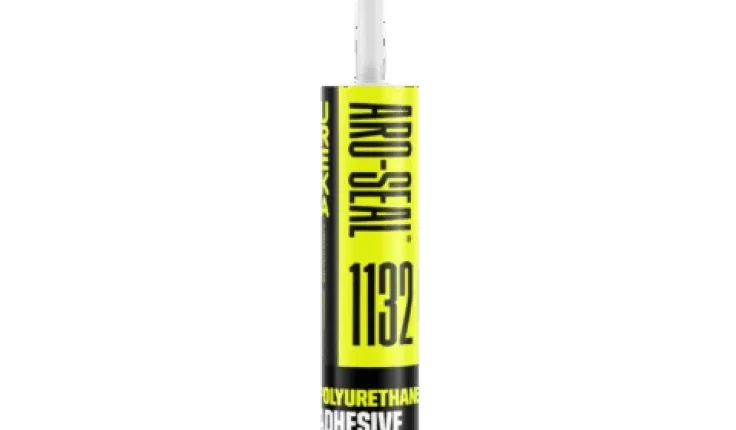
Modern manufacturing and construction depend on strong, reliable bonding solutions. From furniture production to metal fabrication, adhesives help create durable products while improving efficiency and appearance. Two useful adhesive solutions are veneer glue and aluminium adhesive. Each serves a different purpose, but both can provide strong bonding when manufacturers select the right formulation and apply it correctly.
Understanding how these adhesives work can help businesses, craftsmen, and DIY users choose the right product for their projects.
Can Veneer Glue Create Strong and Durable Wood Bonds?
Yes, veneer glue can create strong and reliable bonds between wood surfaces when used correctly. Veneer is a thin layer of natural or engineered wood that manufacturers apply to furniture, doors, panels, cabinets, and decorative surfaces. Because veneer is relatively thin, the adhesive must provide consistent coverage without damaging the material.
A quality veneer adhesive should offer good initial tack, sufficient working time, and strong bonding after curing. It should also spread evenly across the surface to prevent bubbles, lifting, or uneven areas.
Manufacturers commonly choose veneer adhesives based on the type of wood, production process, pressing method, and required durability. Proper surface preparation also plays an important role in achieving a professional finish.
How Does Veneer Glue Improve Furniture Production?
Furniture manufacturers can use veneer glue to improve both appearance and structural performance. A well-bonded veneer creates a smooth surface that highlights the natural character of wood while reducing the risk of peeling or separation.
The adhesive can also support efficient production when it provides suitable open time and curing characteristics. This allows workers to position the veneer accurately before applying pressure.
For larger manufacturing operations, choosing an adhesive that works well with existing pressing equipment can improve workflow. Consistent application also helps reduce material waste and production defects.
Can Aluminium Adhesive Bond Metal Effectively?
Yes, aluminium adhesive can provide a strong alternative to traditional mechanical fastening methods for many applications. Aluminium is lightweight, corrosion-resistant, and widely used in transportation, construction, electronics, signage, furniture, and industrial manufacturing.
Bonding aluminium requires an adhesive designed to handle the characteristics of metal surfaces. Surface cleanliness is particularly important because oil, dust, oxidation, and other contaminants can weaken the bond.
A suitable aluminium adhesive can create a continuous bond across the joining area. Unlike some mechanical fasteners, adhesive bonding does not require drilling holes, which can help preserve the appearance and integrity of certain components.
What Are the Benefits of Aluminium Adhesive?
One major benefit of aluminium adhesive is its ability to join surfaces while maintaining a clean appearance. Adhesive bonding can distribute stress across a larger area rather than concentrating it around individual screws or bolts.
Other potential benefits include:
- Clean and attractive finished surfaces
- Reduced need for mechanical fasteners
- Ability to join different materials
- Efficient assembly processes
- Lightweight construction
- Improved design flexibility
The exact performance depends on the adhesive chemistry, surface preparation, curing process, and environmental conditions.
How Should You Choose the Right Adhesive?
Choosing between veneer glue and aluminium adhesive starts with identifying the materials being joined. Wood veneer requires an adhesive formulated for porous wood surfaces, while aluminium requires a product designed for metal bonding.
You should also consider temperature, moisture exposure, curing time, flexibility, bond strength, and application method. Industrial projects may require an adhesive capable of handling vibration, changing temperatures, or continuous mechanical stress.
Always review the manufacturer’s technical specifications before selecting an adhesive for an important application.
Can Proper Surface Preparation Improve Bond Strength?
Absolutely. Even a high-performance adhesive may fail when surfaces are poorly prepared. Wood surfaces should generally be clean, dry, and free from dust or contaminants. Aluminium surfaces may require cleaning and, depending on the adhesive system, additional preparation to achieve reliable adhesion.
Following the recommended application thickness is equally important. Applying too much or too little adhesive can affect curing and final bond performance.
Users should also follow the manufacturer’s instructions for pressure, curing time, temperature, and handling.
Why Are Adhesives Important for Modern Manufacturing?
Adhesives provide manufacturers with greater flexibility when designing and assembling products. They can join materials without always relying on traditional fastening systems, allowing designers to create smooth surfaces and more streamlined products.
From decorative furniture panels using veneer glue to lightweight metal assemblies using aluminium adhesive, modern bonding technology supports many industries.
As manufacturing continues to focus on efficiency, aesthetics, lightweight construction, and durable assemblies, specialized adhesives will remain an important part of production.
Conclusion
Can the right adhesive make a difference? Definitely. Veneer glue helps manufacturers and craftsmen create attractive, durable wood surfaces, while aluminium adhesive provides an effective bonding option for aluminium and other compatible materials.
The best results come from choosing the correct formulation, preparing surfaces carefully, and following recommended application and curing procedures. By understanding the specific requirements of each project, users can achieve stronger bonds, cleaner finishes, and more reliable long-term performance.

Related Posts

Velo Pouches Australia: Understanding Nicotine Pouches in Australia
Hannah Campbell / October 19, 2026


Advanced CFD Solutions for Safer Buildings and Efficient Cooling in the Middle East
Hannah Campbell / October 19, 2026
Recent Articles


ABOUT ME

I love to travel and then share my emotions with the readers. Thank you for following me on social media. Stay tuned for more updates!
Jenny Preston
ADVERTISEMENTS