
How Does a Certified Hyperbaric Technologist Operate a Hyperbaric Chamber?
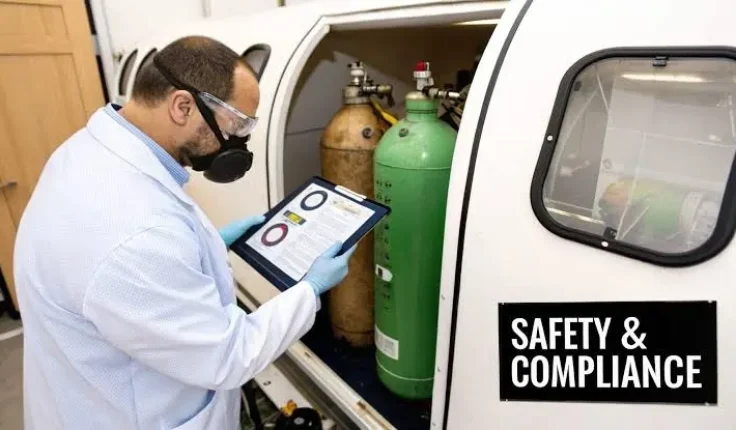
A certified hyperbaric technologist plays an important role in the safe and effective operation of a hyperbaric oxygen therapy (HBOT) chamber. This professional prepares the chamber, assists patients before and during treatment, monitors chamber systems, and responds to operational concerns. The technologist works according to established safety procedures and clinical protocols rather than simply controlling chamber pressure.
Hyperbaric treatment involves placing a patient inside a chamber and increasing the surrounding pressure while the patient breathes oxygen according to the prescribed treatment protocol. Because the environment involves elevated pressure and oxygen, careful preparation and continuous monitoring remain essential.
How Does a Technologist Prepare the Hyperbaric Chamber?
Before treatment begins, the technologist performs a detailed inspection of the chamber and its supporting equipment. The exact checks depend on the chamber design, manufacturer instructions, facility procedures, and applicable regulations.
The technologist checks that the chamber is clean and ready for use. They also inspect communication systems, monitoring equipment, pressure controls, oxygen delivery components, alarms, and other required safety systems. Any abnormal finding should be addressed before a patient enters the chamber.
The technologist also reviews the scheduled treatment and confirms that the equipment configuration matches the prescribed protocol. Proper preparation helps reduce avoidable interruptions during therapy.
How Does Patient Preparation Support Safe Hyperbaric Treatment?
Patient preparation forms another important part of the technologist’s responsibilities. The technologist explains what the patient should expect during compression, treatment, and decompression. Clear communication can help patients remain comfortable and understand how to communicate with staff during the session.
The technologist follows the facility’s screening and safety procedures before treatment. These procedures may include checking for contraindications, reviewing medications or relevant medical information, and ensuring that prohibited items do not enter the chamber.
Patients also receive instructions about pressure changes. For example, they may need to use techniques recommended by their clinical team to equalize pressure in their ears during compression and decompression.
How Is Chamber Pressure Controlled During Treatment?
Once treatment begins, the certified hyperbaric technologist operates the chamber according to the prescribed treatment protocol. The technologist carefully controls the chamber’s pressure changes and observes the patient’s response.
Compression increases the pressure inside the chamber. The technologist monitors the process and communicates with the patient throughout this stage. If the patient experiences difficulty equalizing pressure or another concern, the technologist can follow the facility’s established procedure.
After reaching the prescribed treatment pressure, the technologist maintains the required environment for the specified period. The exact pressure, oxygen exposure, and treatment duration vary according to the patient’s clinical plan.
How Does a Technologist Monitor the Patient Inside the Chamber?
Continuous observation remains one of the most important responsibilities of a hyperbaric technologist. Depending on the chamber configuration, the technologist may observe the patient directly or through a viewing system and communicate through an intercom.
The technologist watches for signs of discomfort, anxiety, difficulty equalizing pressure, or other problems. They also monitor the chamber’s operational readings and relevant patient-monitoring equipment when required.
Good communication makes the treatment process safer and more comfortable. The patient should know how to contact the technologist if they feel unusual symptoms or need assistance.
Why Is Oxygen Safety So Important in a Hyperbaric Chamber?
Oxygen safety deserves special attention because elevated oxygen concentrations can increase fire risk. A certified hyperbaric technologist follows strict oxygen and fire-prevention procedures throughout treatment.
The technologist ensures that only approved materials and equipment enter the chamber. Facilities establish specific rules for clothing, personal items, electronics, and other materials because products that may be acceptable in ordinary environments can create additional risks in an oxygen-enriched setting.
Technologists also follow established emergency procedures and maintain awareness of the chamber’s safety systems. Proper training helps them recognize potential hazards before they become serious problems.
How Does the Technologist Handle Compression and Decompression?
Compression and decompression require controlled operation. During compression, the technologist gradually increases chamber pressure according to the prescribed protocol. During decompression, the technologist gradually reduces pressure.
Patients can experience pressure-related discomfort if these stages do not proceed appropriately. The technologist therefore maintains communication and responds to patient feedback while following approved procedures.
The technologist does not independently change the clinical treatment plan. If a patient experiences a problem, the technologist follows the facility’s protocol and communicates with the appropriate clinical personnel.
What Happens When a Chamber Alarm Activates?
Modern hyperbaric systems can include alarms and monitoring features designed to alert staff to abnormal conditions. When an alarm activates, the technologist must identify the issue and follow the facility’s emergency or troubleshooting procedure.
The appropriate response depends on the type of alarm and the chamber system. The technologist may need to communicate with the patient, verify equipment readings, notify clinical personnel, or initiate an established emergency procedure.
Training and regular drills help technologists respond calmly and consistently. In a hyperbaric environment, preparation matters because the operator must make decisions while maintaining patient safety.
How Does a Technologist Complete a Treatment Session?
At the end of the prescribed treatment period, the technologist begins the decompression phase according to the approved protocol. They continue communicating with and observing the patient throughout this process.
Once the chamber reaches the appropriate pressure, the technologist assists with the patient’s exit and follows post-treatment procedures. The chamber then receives the required cleaning, inspection, and preparation before another session.
Documentation also forms an important part of the process. The technologist records relevant treatment and operational information according to facility requirements. Accurate records support continuity of care and help maintain equipment and quality-control standards.
What Training Does a Certified Hyperbaric Technologist Need?
A certified hyperbaric technologist needs specialized education and practical training in hyperbaric operations. Training commonly covers chamber operation, patient care, oxygen safety, emergency procedures, equipment fundamentals, pressure-related concerns, and operational protocols.
Certification requirements can differ depending on the credentialing organization, jurisdiction, employer, and professional background. Technologists should maintain their qualifications and participate in continuing education when required.
Hands-on experience also matters. Operating a chamber requires more than understanding theory. Professionals need to become comfortable with equipment controls, patient communication, emergency procedures, and routine safety checks.
Can Training Help When Selecting an Oxygen Hyperbaric Chamber for Sale?
Yes. Understanding chamber operation can help healthcare organizations evaluate equipment more effectively. When researching an oxygen hyperbaric chamber for sale, buyers should consider the intended clinical use, chamber configuration, capacity, monitoring systems, safety features, manufacturer support, training requirements, maintenance needs, and applicable standards.
A chamber should not be selected solely because of its price or appearance. The facility should determine whether the equipment fits its clinical requirements and whether staff can receive appropriate training and technical support.
Organizations evaluating an oxygen hyperbaric chamber for sale should also consider installation requirements and long-term operating costs. Proper planning can help create a safer and more efficient hyperbaric program.
How Can Professional Support Improve Hyperbaric Chamber Operations?
Specialized support can make the process of selecting, installing, training, and maintaining hyperbaric equipment easier for healthcare organizations. Hyperbaric Business Solutions can help organizations understand important considerations when developing or improving a hyperbaric program.
Professional guidance can also help facilities evaluate operational requirements before purchasing equipment. A well-planned program considers the chamber, staff training, safety procedures, maintenance, patient workflow, and ongoing support together.
Why Does Proper Chamber Operation Matter?
A hyperbaric chamber creates a specialized clinical environment that requires disciplined operation. The technologist manages equipment according to approved procedures while maintaining communication with the patient and monitoring the treatment environment.
From pre-treatment inspection to final decompression, every stage contributes to patient safety and treatment quality. Regular training, equipment maintenance, documentation, and emergency preparedness strengthen the overall program.
Hyperbaric Business Solutions can be a useful resource for organizations exploring hyperbaric equipment and operational requirements. Whether a facility is establishing a new program or upgrading existing equipment, careful planning helps ensure that technology, staff, and clinical procedures work together effectively.
What Should Facilities Remember About Hyperbaric Chamber Operation?
The role of a oxygen hyperbaric chamber for sale extends far beyond pressing controls on a chamber. The professional prepares equipment, educates patients, manages pressure changes, monitors treatment, maintains oxygen safety, responds to alarms, completes documentation, and follows established clinical and emergency procedures.
Facilities should always use qualified personnel and follow the chamber manufacturer’s instructions, applicable regulations, and their clinical protocols. With appropriate training and preparation, hyperbaric teams can operate their equipment in a controlled, professional, and safety-focused environment.

Related Posts

Senior Living Mumbai: A Guide to Comfortable, Independent, and Supportive Retirement
Hannah Campbell / October 1, 2026

Twitter Trend Service and Twitter Account For Sale: What You Should Know
Hannah Campbell / October 1, 2026

Finding the Right Dental and Skin Care Specialist in Noida
Hannah Campbell / October 1, 2026
Recent Articles


ABOUT ME

I love to travel and then share my emotions with the readers. Thank you for following me on social media. Stay tuned for more updates!
Jenny Preston
ADVERTISEMENTS