
How Do Professionals Handle Sewer Backup Cleanup Safely?
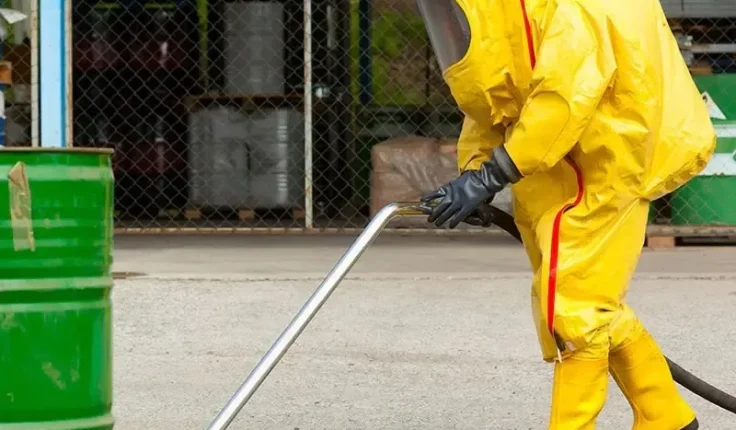
Sewer backups are more than just unpleasant—they can pose serious health hazards and damage property if not handled properly. Professional cleanup services are trained to manage these emergencies efficiently while ensuring safety. But how exactly do experts carry out sewer backup cleanup, and what precautions do they take? This article explores the meticulous steps professionals follow, the equipment they use, and how companies like Ideal Response ensure a safe and thorough process.
What Makes Sewer Backup Cleanup Dangerous?
Before diving into cleanup procedures, it’s important to understand why sewer backups are hazardous. Sewage contains bacteria, viruses, and other pathogens that can lead to infections, respiratory issues, and skin irritation. Additionally, sewer water can damage flooring, walls, and furniture if left untreated.
Professionals recognize that sewer backups are a serious biohazard. They also distinguish between different types of water contamination:
- Category 1: Clean water, such as from a broken pipe.
- Category 2: Gray water, which contains some contaminants.
- Category 3: Black water, the most dangerous, including raw sewage.
Sewer backup cleanup usually falls under Category 3, requiring specialized tools, protective gear, and strict safety protocols.
What Protective Gear Do Professionals Use During Cleanup?
Safety is the top priority in sewer remediation. Professionals wear a full set of personal protective equipment (PPE) to minimize exposure. This includes:
- Gloves that are resistant to chemicals and punctures
- Waterproof boots to prevent contact with contaminated water
- Full-body suits to avoid skin exposure
- Respirators or masks to prevent inhalation of harmful pathogens
- Goggles to protect the eyes from splashes
This gear ensures that workers can safely navigate hazardous conditions while performing cleanup efficiently.
How Do Experts Contain the Contamination?
Containment is critical to prevent the spread of bacteria and odors throughout a property. Professionals often use:
- Heavy-duty plastic sheeting and barriers to isolate the affected area
- Air scrubbers and negative air machines to prevent airborne contamination
- Wet/dry vacuums and pumps to remove standing sewage
By isolating the contaminated zone, professionals reduce the risk of cross-contamination to other areas of the home or business.
What Steps Are Involved in Sewer Backup Cleanup?
Sewer backup cleanup is a multi-step process that ensures the property is safe, sanitized, and restored. Professionals generally follow these steps:
- Initial Assessment: Inspect the affected area to determine the severity of the backup and identify potential hazards.
- Water Extraction: Remove standing sewage using pumps, vacuums, or other specialized equipment.
- Debris Removal: Discard irreparably damaged items such as carpets, drywall, or insulation.
- Deep Cleaning and Sanitizing: Apply disinfectants and antimicrobial treatments to surfaces to kill bacteria, viruses, and mold spores.
- Drying and Dehumidification: Use air movers and dehumidifiers to thoroughly dry the property and prevent mold growth.
- Final Inspection: Ensure the area meets safety standards before allowing occupants back in.
This structured approach not only restores the property but also ensures long-term safety and hygiene.
How Do Professionals Handle After Death Remediation?
In some cases, sewer backups coincide with biohazard situations, such as unattended deaths. After Death Remediation requires even stricter safety protocols.
Professionals trained in this field:
- Approach the site with extreme caution, respecting both safety and sensitivity
- Wear enhanced protective gear, including respirators and full-body suits
- Use specialized cleaning agents designed to neutralize biohazards
- Safely dispose of contaminated materials according to local regulations
- Deodorize and sanitize affected areas to prevent lingering odors and contamination
By combining sewer backup cleanup methods with advanced biohazard remediation techniques, experts can restore homes to safe, habitable conditions.
What Equipment Do Professionals Rely On?
Effective cleanup is impossible without the right tools. Experts use industrial-grade equipment such as:
- High-powered pumps and vacuums: Remove standing water quickly
- Air movers and dehumidifiers: Prevent secondary mold growth
- Foggers and antimicrobial sprayers: Sanitize large areas efficiently
- Moisture meters and thermal imaging cameras: Detect hidden water damage behind walls or under floors
Using professional-grade equipment ensures faster cleanup and reduces the risk of lingering health hazards.
Why Is Professional Cleanup Better Than DIY?
While homeowners might attempt DIY sewer cleanup, this approach carries serious risks. Professionals provide advantages that make a significant difference:
- Proper containment: Prevents spread of contamination
- Advanced cleaning agents: Kill bacteria and viruses that household cleaners cannot
- Thorough drying: Reduces the risk of mold and structural damage
- Regulatory compliance: Ensures safe disposal of contaminated materials
In short, hiring experts like Ideal Response is not just about convenience—it’s a critical step for health, safety, and property preservation.
How Can You Prevent Sewer Backups in the Future?
Prevention is always better than remediation. Experts recommend:
- Regularly cleaning drains and pipes
- Avoiding flushing non-degradable items down toilets
- Installing backflow valves to prevent sewage from entering the home
- Scheduling routine plumbing inspections
Even with preventive measures, accidents can happen, which is why knowing a reliable cleanup service is essential.
Conclusion
Sewer backup cleanup is a complex, hazardous task that requires trained professionals, specialized equipment, and strict adherence to safety protocols. From initial assessment and water extraction to deep sanitization and drying, each step is carefully executed to protect health and property. In situations involving biohazards, such as unattended deaths, After Death Remediation combines expertise in both sewer cleanup and biohazard safety to restore environments safely.
Companies like Ideal Response specialize in these services, ensuring that every cleanup is thorough, safe, and compliant with regulations. By relying on professionals rather than attempting a DIY approach, homeowners and business owners can safeguard their health, property, and peace of mind.

- TAGS :
- sewer backup cleanup
Related Posts

What Are the Benefits of Visiting a Local Dentist in Albany WA Regularly?
Andrin Andrin / April 14, 2026

The Importance of Surgical Products and Wound Closure in Modern Healthcare
Lucas Reed / March 11, 2026

Recent Articles


ABOUT ME

I love to travel and then share my emotions with the readers. Thank you for following me on social media. Stay tuned for more updates!
Jenny Preston
ADVERTISEMENTS