
Creating Successful Garden Centres Through Thoughtful Development and Design
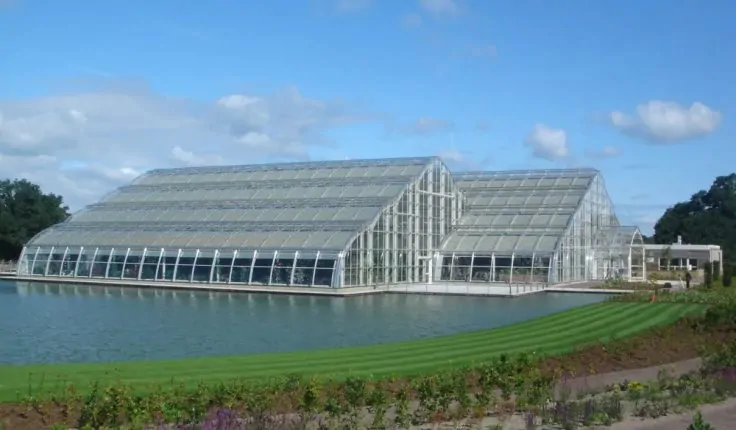
A successful garden centre is more than a place where customers purchase plants and gardening products. It is a carefully planned environment that combines retail, education, inspiration, and customer experience. From the layout of plant displays to the placement of pathways and facilities, every element can influence how visitors explore the space and interact with the products. Professional planning is therefore essential when developing a modern garden centre that is attractive, practical, and commercially successful.
Understanding Garden Centre Development
Garden Centre Development involves planning and creating a complete environment that meets both customer expectations and business requirements. The process can include site assessment, landscape planning, retail layouts, plant areas, access routes, parking, storage, customer facilities, and future expansion.
Before development begins, it is important to understand the available site and its surroundings. Factors such as sunlight, drainage, soil conditions, accessibility, customer traffic, and local demand can influence the final design. A well-planned development should make efficient use of the available space while creating a comfortable environment for visitors.
Sustainability is also becoming increasingly important. Water-efficient irrigation, responsible material selection, energy-efficient lighting, rainwater collection, and appropriate planting strategies can help reduce environmental impact while supporting long-term operational efficiency.
The Importance of Garden Center Design
Effective Garden Center Design focuses on creating an environment that is visually appealing while remaining easy to navigate. Customers should be able to move naturally through different areas without feeling confused or restricted.
Plant displays can be arranged according to categories, seasons, colours, or gardening requirements. Clear signage can help customers quickly understand where they can find trees, shrubs, flowers, indoor plants, gardening tools, pots, compost, and other products.
The entrance is particularly important because it creates the first impression. An attractive entrance with seasonal plants and well-maintained displays can immediately communicate the character and quality of the garden centre. Wide pathways, accessible routes, comfortable browsing areas, and clearly positioned checkout facilities can further improve the overall customer journey.
Combining Retail and Experience
Modern garden centres increasingly aim to provide an experience rather than simply functioning as traditional retail spaces. Features such as demonstration gardens, workshops, cafés, children’s areas, seasonal events, and educational displays can encourage visitors to spend more time on-site.
Good design should also consider changing seasons. Spring and summer may require larger plant-display areas, while autumn and winter can create opportunities for seasonal decorations, indoor gardening products, gifts, and educational activities.
Garden Center Advice can help businesses consider how different areas can work together to create a practical and engaging customer environment. Careful planning can ensure that visual appeal does not compromise functionality.
Planning for Long-Term Success
A garden centre should be designed with future needs in mind. Customer preferences, product ranges, technology, and retail trends can change over time, so flexible spaces can provide valuable opportunities for adaptation.
Storage, staff facilities, deliveries, waste management, and maintenance should also be considered during the planning stage. These operational elements may not be highly visible to customers, but they have a major effect on daily efficiency.
Successful development ultimately comes from balancing appearance, functionality, sustainability, and commercial requirements. Garden Center Design should support the customer journey while making the best possible use of the site.
Conclusion
Thoughtful Garden Centre Development can transform an ordinary retail site into an attractive and memorable destination for gardening enthusiasts. By combining practical planning with inspiring displays, accessible facilities, sustainable features, and flexible spaces, garden centres can create environments that serve customers effectively for years to come. With professional guidance and careful attention to detail, Garden Center Advice can contribute to creating a garden centre that is both welcoming and prepared for future growth.

- TAGS :
Related Posts

How to Choose the Best Luxury Custom Home Builders Sydney for Your Dream Home
Lucas Reed / November 16, 2026

Luxury travel experiences in Argentina: Discover Extraordinary Destinations and Private Journeys
Lucas Reed / November 16, 2026

Recent Articles


ABOUT ME

I love to travel and then share my emotions with the readers. Thank you for following me on social media. Stay tuned for more updates!
Jenny Preston
ADVERTISEMENTS