
What Are the First Steps to Take After Flood Damage?
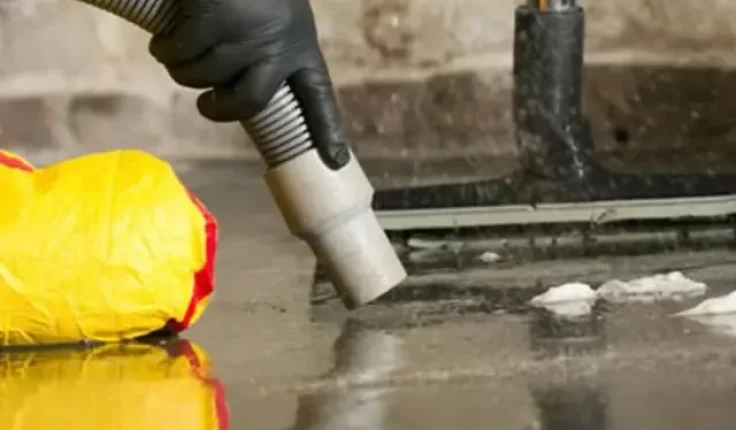
Flood damage can disrupt your life within minutes, leaving behind destruction, contamination, and emotional stress. Acting quickly and correctly can reduce long-term damage and restoration costs. Whether the flooding results from heavy rain, burst pipes, or natural disasters, understanding the first steps of flood restoration is essential to protect your property and health.
In this guide, you will learn practical, step-by-step actions to begin recovery and ensure a smooth process with professional flood restoration services.
Why Is Immediate Action Important After Flood Damage?
Taking immediate action after flood damage can prevent further deterioration of your property. Water can quickly seep into walls, flooring, furniture, and electrical systems, leading to structural damage and mold growth within 24–48 hours.
By responding quickly, you can:
- Minimize repair costs
- Prevent mold and bacteria growth
- Protect valuable belongings
- Speed up the flood restoration process
Professional companies like Ideal Response emphasize fast action because delays can significantly increase the severity of damage.
What Safety Precautions Should You Take First?
Before starting any cleanup or flood restoration activities, prioritize your safety. Floodwater can contain harmful contaminants, including sewage, chemicals, and debris.
Here are the essential safety steps:
- Turn off electricity and gas supply if it is safe to do so
- Avoid walking through standing water without protective gear
- Wear gloves, boots, and masks to prevent exposure
- Keep children and pets away from affected areas
If the situation looks dangerous, contact flood restoration services immediately instead of handling it yourself.
How Do You Assess the Extent of Flood Damage?
Once it is safe to enter your property, the next step is assessing the damage. This step helps you understand what needs immediate attention and supports insurance claims.
Focus on:
- Structural damage (walls, ceilings, floors)
- Water levels and affected areas
- Damaged furniture and appliances
- Signs of contamination or sewage
Take photos and videos for documentation. This evidence will help both insurance providers and flood restoration professionals create an effective recovery plan.
Should You Contact Insurance Providers Immediately?
Yes, contacting your insurance provider should be one of your top priorities. Inform them about the flood damage as soon as possible and provide detailed documentation.
Make sure to:
- File a claim promptly
- Share photos and videos of damage
- Keep records of all expenses
- Follow instructions provided by your insurer
Quick communication ensures a smoother claims process and faster financial support for flood restoration.
How Do You Begin Water Removal and Drying?
Water removal is a critical step in flood restoration. The longer water remains, the more damage it causes. Start by removing standing water using pumps, buckets, or wet vacuums if the situation is manageable.
After water removal:
- Open windows and doors for ventilation
- Use fans and dehumidifiers to speed up drying
- Remove wet carpets, rugs, and upholstery
However, for extensive flooding, professional flood restoration services are recommended. Companies like Ideal Response use advanced equipment to ensure complete water extraction and drying.
What Items Should You Remove or Discard?
Not all items can be saved after a flood. Identifying what to keep and what to discard helps prevent health hazards and speeds up the cleanup process.
Discard items such as:
- Soaked mattresses and upholstered furniture
- Contaminated food and perishables
- Damaged insulation and drywall
- Items exposed to sewage water
You can clean and restore non-porous items like metal, glass, and certain plastics after proper disinfection.
Why Is Mold Prevention a Critical Step?
Mold growth is one of the biggest risks after flood damage. It can start developing within 24 hours and spread quickly throughout your home.
To prevent mold:
- Dry all surfaces thoroughly
- Use disinfectants on affected areas
- Maintain proper ventilation
- Monitor humidity levels
Professional flood restoration services include mold prevention and remediation, ensuring your property remains safe and healthy.
When Should You Call Professional Flood Restoration Services?
While small water issues can be handled independently, large-scale flooding requires expert intervention. Professional flood restoration teams have the tools, experience, and knowledge to handle complex situations.
You should call experts when:
- Water damage covers large areas
- Floodwater is contaminated
- Structural damage is visible
- Mold has already started forming
Ideal Response provides reliable flood restoration services that ensure complete recovery, from water extraction to final repairs.
How Do Professionals Handle Flood Restoration Efficiently?
Professional flood restoration follows a systematic process to ensure thorough recovery:
- Inspection and damage assessment
- Water extraction using industrial equipment
- Drying and dehumidification
- Cleaning and sanitization
- Restoration and repairs
This structured approach ensures no hidden moisture remains, preventing future issues like mold and structural weakness.
What Steps Help You Prevent Future Flood Damage?
Once your property is restored, it is important to take preventive measures to avoid future incidents.
Consider these steps:
- Install proper drainage systems
- Seal cracks in walls and foundations
- Maintain gutters and downspouts
- Use water-resistant building materials
- Elevate electrical systems and appliances
Prevention not only protects your property but also reduces the need for repeated flood restoration.
How Can You Recover Emotionally After Flood Damage?
Flood damage can be overwhelming, both physically and emotionally. It is important to stay calm and focus on gradual recovery.
Here are a few helpful tips:
- Take one step at a time
- Seek support from family and community
- Rely on professional flood restoration services for guidance
- Focus on rebuilding and moving forward
With the right support system and expert help, recovery becomes manageable.
Final Thoughts: Why Is a Strategic Approach to Flood Restoration Essential?
Handling flood damage effectively requires a combination of quick action, proper planning, and professional support. By following the right steps, you can minimize damage, protect your health, and restore your property efficiently.
Whether you manage initial cleanup yourself or rely on experts like Ideal Response, a structured approach to flood restoration ensures long-term safety and peace of mind. Investing in professional flood restoration services not only speeds up recovery but also guarantees a thorough and lasting solution.
Taking the right first steps today can make all the difference in restoring your home and returning to normal life.

- TAGS :
- flood restoration
Related Posts

Why ADARSH URBANITE Is Becoming a Preferred Choice for Modern Urban Living
Hannah Campbell / October 8, 2026

How to Choose the Best Immigration Consultants in Qatar for a Successful Immigration Journey
Hannah Campbell / October 8, 2026

AI Job Board Singapore and Freelance Jobs in Singapore: Finding the Right Opportunities
Hannah Campbell / October 8, 2026
Recent Articles


ABOUT ME

I love to travel and then share my emotions with the readers. Thank you for following me on social media. Stay tuned for more updates!
Jenny Preston
ADVERTISEMENTS