
Veneer Adhesive & Cold Press Veneer Glue: The Ultimate Guide for Strong and Flawless Wood Finishes
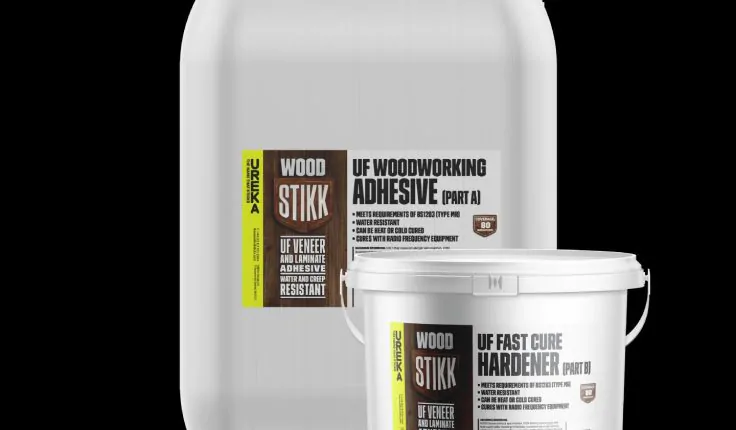
Wood veneer applications are widely used in furniture making, cabinetry, and interior design to achieve a premium wood look without the cost of solid timber. However, the success of any veneering project depends heavily on the type of adhesive used. Choosing the right veneer adhesive and understanding the benefits of cold press veneer glue can make a significant difference in both durability and appearance.
What Is Veneer Adhesive?
Veneer adhesive is a specialized glue designed to bond thin sheets of wood veneer to a substrate such as plywood, MDF, or particleboard. Unlike regular wood glue, it is formulated to provide strong bonding across large, thin surfaces while maintaining a smooth and bubble-free finish.
A high-quality veneer adhesive ensures that the veneer remains securely attached over time, preventing issues like lifting, cracking, or warping. It also helps maintain the natural beauty and grain of the wood surface.
Understanding Cold Press Veneer Glue
Cold press veneer glue is a type of adhesive specifically designed for use without heat. As the name suggests, it works effectively at room temperature, making it a convenient option for both professionals and DIY enthusiasts.
One of the key advantages of cold press veneer glue is its ease of use. It does not require specialized equipment such as hot presses, making it ideal for small workshops or home projects. Despite its simplicity, it provides strong bonding and excellent coverage.
Benefits of Using Cold Press Veneer Glue
Using cold press veneer glue offers several benefits:
- No Heat Required: Simplifies the veneering process
- Strong Bonding: Ensures long-lasting adhesion
- Even Application: Reduces the risk of bubbles and gaps
- Cost-Effective: Eliminates the need for expensive equipment
These advantages make cold press veneer glue a popular choice for many woodworking projects.
Types of Veneer Adhesive
There are various types of veneer adhesive available, each suited for different needs:
1. PVA-Based Adhesive
This is one of the most common types of veneer adhesive. It is easy to apply, dries clear, and is suitable for interior applications.
2. Contact Cement
Contact cement provides instant bonding, making it useful for quick projects. However, it requires precise application since repositioning is not possible.
3. Urea-Formaldehyde Adhesive
This type of veneer adhesive offers high strength and heat resistance, making it ideal for professional and industrial use.
4. Epoxy Adhesive
Epoxy-based adhesives provide exceptional durability and are suitable for projects exposed to moisture or heavy wear.
Among these options, cold press veneer glue stands out for its convenience and reliability in everyday applications.
Key Features to Look For
When selecting a veneer adhesive, consider the following features:
- Bond Strength: Ensures durability over time
- Open Time: Allows proper positioning before setting
- Moisture Resistance: Important for long-term performance
- Ease of Application: Suitable for your skill level
- Compatibility: Works well with your chosen materials
A good cold press veneer glue should meet these criteria to deliver consistent results.
Step-by-Step Application Process
Using veneer adhesive correctly is essential for achieving a professional finish. Follow these steps:
- Surface Preparation: Ensure the substrate is clean, smooth, and dry.
- Apply the Adhesive: Spread the cold press veneer glue evenly using a roller or brush.
- Position the Veneer: Carefully place the veneer sheet onto the surface.
- Apply Pressure: Use clamps, a press, or a vacuum bag to ensure even bonding.
- Allow to Cure: Let the veneer adhesive set according to the recommended time.
Proper application ensures a strong bond and a flawless surface.
Common Mistakes to Avoid
Even with high-quality cold press veneer glue, mistakes can affect the final result. Avoid these common errors:
- Applying adhesive unevenly
- Using too much or too little glue
- Not applying sufficient pressure
- Skipping proper surface preparation
- Rushing the curing process
Avoiding these mistakes will help you achieve a smooth and durable finish.
Applications of Veneer Adhesives
Both veneer adhesive and cold press veneer glue are widely used in:
- Furniture manufacturing
- Cabinet making
- Interior wall paneling
- Decorative woodwork
These adhesives allow for creative designs while maintaining structural strength and durability.
Maintenance and Care
To maintain veneered surfaces, avoid excessive moisture and heat. Clean surfaces gently and inspect for any signs of lifting or damage.
If necessary, reapply veneer adhesive to fix minor issues before they worsen. Proper care ensures long-lasting results.
Conclusion
Choosing the right veneer adhesive and understanding the benefits of cold press veneer glue are essential for successful woodworking projects. These adhesives provide strong bonding, ease of use, and a professional finish that enhances the beauty of wood veneer.
By selecting high-quality products, following proper application techniques, and maintaining your work, you can achieve durable and visually stunning results. Whether you are a beginner or an experienced craftsman, the right adhesive is the key to creating flawless wood finishes.

Related Posts

What Makes Aluminium an Ideal Material for Modern Manufacturing Projects?
Andrin Andrin / August 8, 2026

What Services Can You Expect from a Family Hotel in Jounieh?
Andrin Andrin / August 8, 2026

Recent Articles


ABOUT ME

I love to travel and then share my emotions with the readers. Thank you for following me on social media. Stay tuned for more updates!
Jenny Preston
ADVERTISEMENTS