
Parametric Facade Design: Modern Brick Architecture Trends
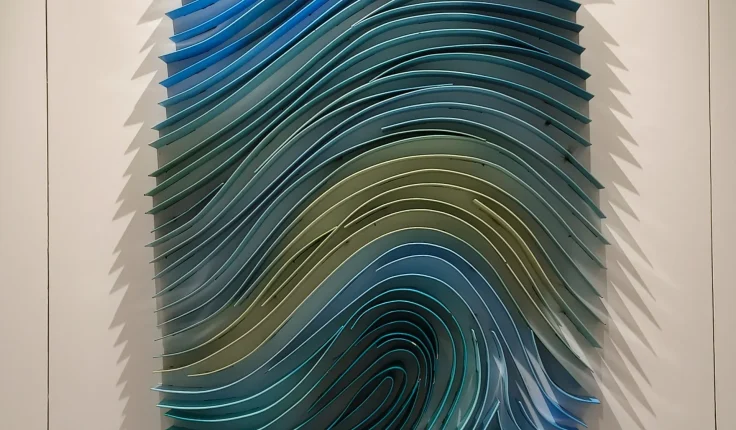
Architecture is constantly evolving as designers explore new ways to combine creativity, technology, sustainability, and practical performance. One of the most interesting developments in contemporary building design is parametric facade design. This approach allows architects to create distinctive exterior surfaces by using digital models, mathematical relationships, and adjustable design parameters.
When this technology is combined with traditional masonry, the result can be particularly impressive. A parametric brick facade can transform familiar brickwork into a dynamic architectural feature while maintaining the warmth and durability associated with this classic material.
What Is Parametric Facade Design?
Parametric facade design is a digital approach to developing building exteriors where specific design elements are controlled through defined parameters. These parameters can include size, spacing, rotation, depth, orientation, and pattern.
Instead of manually designing every individual element, architects can establish a system that automatically adjusts components when certain variables change. This makes it easier to explore different design options and create complex geometric patterns.
The technique can be used for residential buildings, offices, cultural facilities, educational institutions, retail developments, and large commercial projects.
Why Parametric Design Is Becoming Popular
Traditional facade design can sometimes limit architects to repetitive patterns and fixed arrangements. Parametric methods provide greater flexibility and allow designers to experiment with forms that would be difficult to develop manually.
A carefully developed parametric facade design can respond to both aesthetic and environmental requirements. For example, facade elements can be adjusted according to sunlight exposure, views, privacy needs, and ventilation requirements.
This means parametric architecture is not simply about creating unusual shapes. It can also help designers develop building envelopes that respond intelligently to their surroundings.
The Beauty of a Parametric Brick Facade
Brick has been used in architecture for centuries, but digital design is giving it a new visual language. A parametric brick facade can use individual bricks in different orientations, depths, and spacing arrangements to produce patterns with remarkable visual depth.
Rather than presenting a flat wall, designers can create areas where bricks project outward or move inward. These variations produce shadows that change throughout the day as the position of the sun changes.
The result can be a facade that looks different in the morning, afternoon, and evening without requiring electronic systems or moving components.
Combining Traditional Materials With Technology
One of the most appealing aspects of a parametric brick facade is the relationship between traditional craftsmanship and modern technology.
Brick is familiar, durable, and tactile. Parametric modeling introduces a contemporary method for arranging that material. The combination allows architects to preserve a sense of material heritage while creating a modern architectural identity.
Digital modeling can also help organize complicated brick patterns. Each component can be positioned according to a predetermined system, making it easier to coordinate the design with structural and construction requirements.
Improving Natural Light
A building facade has an important role in controlling daylight. Too much direct sunlight can create glare and increase indoor heat, while insufficient daylight can make interiors feel dark.
With parametric facade design, architects can vary openings and facade density to influence how sunlight enters different parts of a building.
For example, a denser pattern may be appropriate on a facade that receives strong afternoon sunlight, while a more open configuration could allow additional daylight on another elevation.
This approach can help create comfortable interior environments while contributing to the overall architectural appearance.
Supporting Privacy and Ventilation
Facade patterns can also influence privacy. In residential buildings, hotels, offices, and other projects, designers may want to limit direct views into certain rooms without completely blocking daylight.
A parametric brick facade can provide a useful solution by varying brick spacing and orientation. Open areas can provide views and ventilation, while denser sections can offer greater privacy.
The same principles can be used to support natural airflow where the building design and climate make ventilation appropriate.
Construction Considerations
Creating a complex facade requires careful planning. A visually impressive design must also be practical to construct, maintain, and repair.
Architects and engineers need to consider structural support, brick dimensions, tolerances, drainage, weather exposure, installation methods, and long-term maintenance.
Parametric modeling can help identify potential problems before construction begins. Digital simulations allow design teams to test variations and coordinate facade components with other building systems.
For a parametric brick facade, accurate documentation is particularly important because different brick positions may require detailed installation information.
Sustainability and Long-Term Performance
Modern architecture increasingly focuses on sustainability, and facade design can contribute significantly to a building’s environmental performance.
A well-planned parametric facade design can help manage solar exposure, daylight, and natural ventilation. These strategies may reduce dependence on artificial lighting or mechanical cooling when they are appropriately integrated into the overall building design.
Brick can also offer durability and a long service life when correctly specified and installed. Combining durable materials with thoughtful digital design can create facades that remain attractive and functional for many years.
Creating a Distinctive Architectural Identity
Buildings often need a strong visual identity, particularly in commercial and urban environments. A unique facade can help distinguish a project from surrounding structures.
A parametric brick facade offers architects numerous opportunities to create recognizable patterns without abandoning the physical qualities of masonry. The facade can become a defining feature of the building while still relating to its surroundings.
This balance between individuality and context is one reason parametric techniques continue to attract attention in contemporary architecture.
The Future of Parametric Facade Design
As architectural software, digital fabrication, and construction technologies continue to improve, parametric methods are likely to become even more accessible.
Future projects may combine advanced modeling with automated fabrication, environmental analysis, and increasingly precise construction systems. This could allow architects to develop more responsive facades without sacrificing practicality.
The most successful projects will likely be those where technology serves a clear architectural purpose rather than being used simply for visual complexity.
Conclusion
Parametric facade design is changing the way architects think about building exteriors. It provides greater control over geometry, patterns, environmental response, and material organization.
The parametric brick facade is an excellent example of how digital innovation can give a traditional material a fresh architectural identity. By carefully controlling brick orientation, spacing, depth, and arrangement, designers can create facades that are visually engaging, environmentally responsive, and technically considered.
As architecture continues to merge digital tools with traditional materials, parametric facade design will remain an exciting avenue for creating buildings that are both contemporary and timeless.

- TAGS :
- parametric brick facade
Related Posts

Quality Car Care and Custom Fabrication: A Complete Guide
Hannah Campbell / October 15, 2026

Learn to Drive with Confidence: Driving Lessons Minto and Driving Lessons Leumeah
Hannah Campbell / October 15, 2026

Enclosedtrailers & Remorquefermée: The Ultimate Guide to Secure and Reliable Transportation
Hannah Campbell / October 15, 2026
Recent Articles


ABOUT ME

I love to travel and then share my emotions with the readers. Thank you for following me on social media. Stay tuned for more updates!
Jenny Preston
ADVERTISEMENTS