
How Can Care Home Refurbishment Enhance Safety Standards?
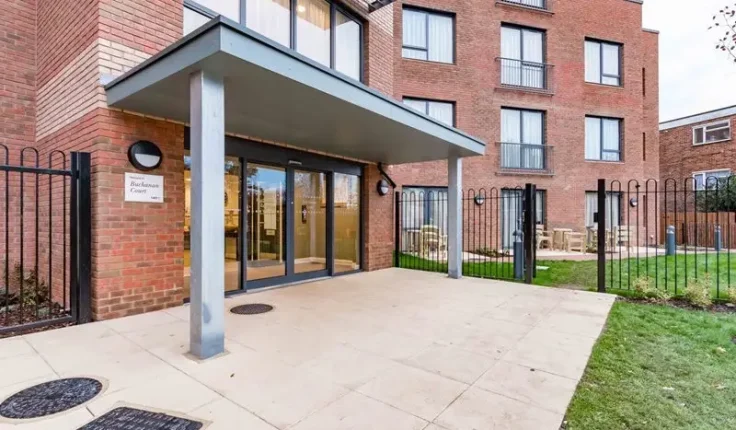
Care home refurbishment plays a vital role in improving the quality, comfort, and safety of residential care environments. As healthcare regulations evolve and the needs of elderly residents become more complex, care facilities must update their buildings to provide secure and supportive spaces.
Older buildings often contain outdated layouts, worn flooring, poor lighting, and aging electrical systems. These issues can increase the risk of accidents and reduce the quality of daily life for residents and staff. A carefully planned refurbishment addresses these concerns while creating a modern environment that promotes wellbeing.
Professional refurbishment not only improves appearance but also strengthens safety standards across every area of the building. Experienced specialists like Care Home Builders understand how to combine healthcare regulations with practical design solutions. Their expertise helps care providers deliver safer living environments without disrupting essential services.
How Does Care Home Refurbishment Reduce Accident Risks?
One of the primary goals of care home refurbishment is preventing accidents before they happen. Elderly residents often have limited mobility, reduced vision, or balance issues, making them more vulnerable to slips and falls.
Modern refurbishment projects focus on:
- Installing slip-resistant flooring
- Removing uneven surfaces
- Improving hallway lighting
- Adding sturdy handrails
- Widening walking paths
- Creating obstacle-free circulation routes
These improvements significantly reduce hazards while making movement easier for both residents and caregivers.
Clear pathways also allow emergency teams to respond quickly if assistance is needed.
Why Are Modern Flooring Solutions Essential?
Flooring has a direct impact on safety throughout a care home. Old carpets, cracked vinyl, or uneven tiles create unnecessary risks for residents using walking aids or wheelchairs.
A professional care home refurbishment replaces damaged flooring with durable, slip-resistant materials specifically designed for healthcare settings.
Modern flooring offers several advantages:
- Better grip underfoot
- Easy cleaning and infection control
- Reduced trip hazards
- Comfortable walking surfaces
- Improved wheelchair accessibility
These flooring solutions also help staff move medical equipment safely throughout the facility.
How Can Better Lighting Improve Safety?
Lighting is one of the most overlooked aspects of healthcare design. Poor lighting contributes to falls, confusion, and navigation difficulties, particularly for elderly people with visual impairments or dementia.
During a care home refurbishment, designers often upgrade lighting systems by installing:
- LED lighting
- Motion sensors
- Emergency lighting
- Brighter corridor illumination
- Adjustable bedroom lighting
Improved visibility helps residents move confidently throughout the building while allowing caregivers to monitor residents more effectively.
Natural daylight is also incorporated wherever possible to improve mood, orientation, and overall wellbeing.
How Does Fire Safety Improve Through Refurbishment?
Fire protection standards continue to evolve, making regular refurbishment essential for compliance.
Modern care home refurbishment projects often include:
- Fire-resistant doors
- Updated alarm systems
- Smoke detection upgrades
- Emergency escape routes
- Fire compartmentation
- Clearly marked exits
These improvements provide greater protection for vulnerable residents who may require additional assistance during emergencies.
Routine upgrades ensure facilities continue meeting current building regulations and healthcare safety standards.
Why Are Accessible Bathrooms Safer?
Bathrooms are among the highest-risk areas within any care home. Wet surfaces combined with limited mobility can easily result in falls.
Refurbishment transforms bathrooms into safer spaces by adding:
- Walk-in showers
- Anti-slip flooring
- Grab rails
- Height-adjustable fixtures
- Wheelchair-friendly layouts
- Emergency call systems
These features increase independence while allowing staff to provide assistance more efficiently when needed.
Comfortable and accessible bathrooms also preserve resident dignity during daily routines.
How Does Care Home Refurbishment Support Infection Control?
Healthcare environments require strict hygiene standards to protect vulnerable residents from infections.
A modern care home refurbishment introduces materials and layouts that simplify cleaning and reduce contamination risks.
Common improvements include:
- Seamless flooring
- Antibacterial wall surfaces
- Touch-free taps
- Improved ventilation
- Easy-to-clean furniture
- Better waste management areas
Enhanced infection control protects both residents and healthcare professionals while supporting regulatory compliance.
Why Is Dementia-Friendly Design Important?
Many care homes support residents living with dementia. Refurbishment creates environments that reduce confusion and encourage independent movement.
Specialist retirement village builders often recommend design features such as:
- Colour-coded corridors
- Memory-friendly signage
- Simple navigation routes
- Calm lighting
- Reduced visual clutter
- Comfortable communal areas
These changes help residents feel more secure while lowering stress and anxiety.
A thoughtfully designed environment improves daily routines for residents, visitors, and caregivers alike.
How Can Technology Increase Safety?
Technology has become an important part of modern healthcare construction.
During care home refurbishment, facilities frequently install smart systems including:
- Nurse call systems
- CCTV monitoring
- Electronic access control
- Smart lighting
- Digital temperature monitoring
- Fall detection technology
These innovations enable staff to respond more quickly to emergencies while improving day-to-day operational efficiency.
Technology also provides valuable information that supports proactive care planning.
Why Should Outdoor Spaces Be Refurbished Too?
Safety extends beyond the building itself.
Outdoor improvements made during care home refurbishment create secure environments where residents can enjoy fresh air and physical activity.
Common upgrades include:
- Non-slip pathways
- Secure fencing
- Handrails
- Better lighting
- Raised gardens
- Wheelchair-accessible routes
- Comfortable seating
Safe outdoor spaces encourage social interaction while supporting physical and mental wellbeing.
These environments also provide therapeutic benefits for residents living with dementia.
How Do Retirement Village Builders Contribute to Higher Standards?
Experienced retirement village builders understand the unique challenges involved in designing accommodation for older adults.
Their expertise helps create environments that combine:
- Safety
- Accessibility
- Comfort
- Durability
- Healthcare compliance
- Future flexibility
Unlike general contractors, specialist builders understand the operational needs of care providers while delivering practical long-term solutions.
They work closely with architects, healthcare consultants, and care operators to produce facilities that remain safe for many years.
Why Does Staff Safety Matter During Refurbishment?
Resident safety depends on the wellbeing of caregivers too.
A successful care home refurbishment improves working conditions by creating:
- Better storage
- Wider corridors
- Safer lifting spaces
- Improved staff facilities
- Efficient medication rooms
- Ergonomic workstations
Reducing physical strain helps staff deliver higher-quality care while lowering workplace injuries.
Efficient layouts also improve response times during emergencies.
Why Is Regular Refurbishment a Long-Term Investment?
Waiting until problems become severe often leads to higher repair costs and greater disruption.
Regular care home refurbishment helps providers:
- Maintain compliance
- Extend building lifespan
- Improve resident satisfaction
- Reduce maintenance costs
- Enhance operational efficiency
- Increase property value
Preventative investment creates safer environments while protecting long-term financial performance.
Experienced specialists like Care Home Builders help organisations plan phased refurbishment projects that minimise disruption while maintaining excellent care standards.
Conclusion
A well-planned care home refurbishment is one of the most effective ways to enhance safety standards in modern care facilities. From improved flooring and lighting to advanced fire protection, accessible bathrooms, and smart technology, every upgrade contributes to a safer and more comfortable environment.
Working alongside experienced retirement village builders ensures every refurbishment meets current healthcare regulations while supporting the evolving needs of residents and staff. By investing in regular improvements, care providers create welcoming spaces that promote independence, reduce risks, and deliver high-quality care for years to come. Whether updating a single wing or modernising an entire facility, trusted professionals such as Care Home Builders provide the expertise needed to achieve lasting safety and operational excellence.

Related Posts

Why ADARSH URBANITE Is Becoming a Preferred Choice for Modern Urban Living
Hannah Campbell / October 8, 2026

How to Choose the Best Immigration Consultants in Qatar for a Successful Immigration Journey
Hannah Campbell / October 8, 2026

AI Job Board Singapore and Freelance Jobs in Singapore: Finding the Right Opportunities
Hannah Campbell / October 8, 2026
Recent Articles



ABOUT ME

I love to travel and then share my emotions with the readers. Thank you for following me on social media. Stay tuned for more updates!
Jenny Preston
ADVERTISEMENTS