
What Are the Risks of Skipping a Visit to a Vein Treatment Doctor?
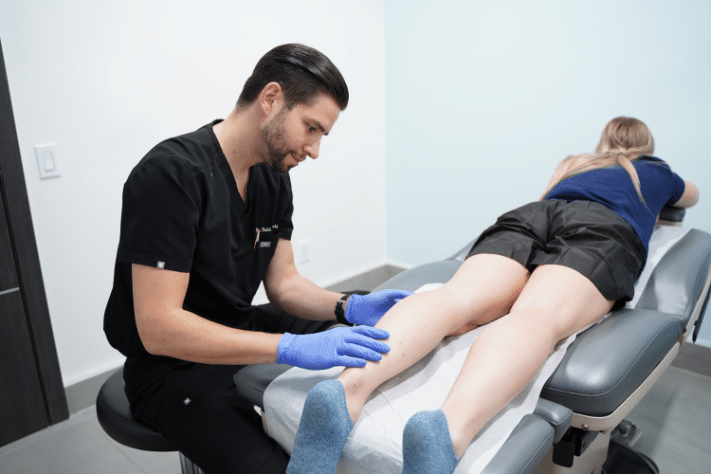
When it comes to vein health, ignoring early warning signs can have serious consequences. Many individuals overlook minor symptoms like spider veins, leg swelling, or discomfort, thinking they are harmless. However, consulting vein treatment doctors is crucial to prevent potential complications. In this article, we’ll explore the risks of skipping a visit to a vein specialist, why early intervention matters, and guidance on when to see a vascular doctor.
Why Are Vein Treatment Doctors Important?
Vein treatment doctors specialize in diagnosing and managing conditions that affect the veins, including varicose veins, spider veins, and chronic venous insufficiency. These conditions often develop gradually, and patients may not notice severe symptoms initially. By visiting a vein treatment doctor, individuals receive professional evaluation, accurate diagnosis, and access to the latest treatment options.
Missing these appointments can lead to worsening symptoms, increased pain, and more complex medical issues. Vein treatment doctors not only provide medical solutions but also offer guidance on preventive care to maintain vein health. At Vein Treatment New Jersey, specialists are equipped with advanced diagnostic tools like duplex ultrasound to assess vein function accurately and recommend appropriate treatment.
What Are the Common Risks of Ignoring Vein Problems?
Skipping a visit to vein treatment doctors can result in several health risks. Some of the most common consequences include:
- Progression of Varicose Veins
Varicose veins may begin as cosmetic concerns but can progress into painful and swollen veins. Over time, untreated varicose veins can lead to skin changes, including discoloration, thickening, or even ulcer formation. - Chronic Venous Insufficiency
When veins fail to efficiently return blood to the heart, it causes chronic venous insufficiency (CVI). Symptoms include swelling, heaviness, leg fatigue, and skin changes. CVI is a long-term condition that worsens without timely intervention. - Blood Clots and Deep Vein Thrombosis
One of the most serious risks of ignoring vein health is the potential for blood clots. Deep vein thrombosis (DVT) occurs when a clot forms in a deep vein, usually in the legs. DVT can be life-threatening if the clot travels to the lungs, causing a pulmonary embolism. - Pain and Mobility Issues
Untreated vein conditions can cause significant discomfort, including aching, throbbing, and leg cramps. This can limit mobility, interfere with daily activities, and reduce overall quality of life. - Skin Ulcers and Infections
Severe vein problems can lead to venous ulcers, which are open sores that develop when blood flow is impaired. These ulcers are slow to heal and prone to infection, requiring long-term medical care.
When to See a Vascular Doctor
Knowing when to see a vascular doctor is crucial for preventing severe complications. Early intervention can improve outcomes and reduce treatment complexity. You should consult a vascular specialist if you notice:
- Persistent leg swelling or heaviness
- Visible varicose or spider veins that worsen over time
- Skin changes such as discoloration, itching, or thickening
- Leg pain, cramping, or throbbing, especially after standing or sitting for long periods
- A history of blood clots or family history of vein disease
At Vein Treatment New Jersey, patients are encouraged to schedule a consultation even for minor symptoms. Early evaluation helps vascular doctors create a personalized treatment plan and prevent disease progression.
How Skipping Visits Affects Treatment Options
Delaying a visit to vein treatment doctors can limit your treatment options. Minimally invasive procedures, such as endovenous laser therapy or sclerotherapy, are most effective when vein disease is detected early. If you wait too long, you may require more invasive interventions, such as vein stripping or surgical procedures, which involve longer recovery times and higher risks.
Additionally, skipping appointments reduces the chance of receiving preventive advice that could minimize symptoms and prevent disease progression. Lifestyle recommendations, compression therapy, and proper exercise routines are all valuable tools that vein treatment doctors provide to support long-term vein health.
Psychological and Lifestyle Impacts
Beyond physical health risks, ignoring vein issues can affect mental well-being. Chronic pain, discomfort, and visible vein problems can cause self-consciousness, anxiety, and decreased confidence. Over time, limited mobility can impact daily routines, exercise, and social activities, leading to a reduced quality of life. Consulting vein treatment doctors early helps address both physical and emotional concerns.
How Vein Treatment Doctors Diagnose and Manage Conditions
Vein treatment doctors employ a range of diagnostic techniques to assess vein health accurately. Common methods include:
- Duplex Ultrasound: This non-invasive imaging test evaluates blood flow and detects valve dysfunction or blood clots.
- Physical Examination: Doctors visually assess veins, identify swelling or skin changes, and ask about symptoms and family history.
- Treatment Planning: Depending on the diagnosis, doctors recommend appropriate treatment options, including lifestyle modifications, compression therapy, minimally invasive procedures, or surgery.
Early consultation ensures that treatments are less invasive, recovery is quicker, and outcomes are more successful.
Preventing Complications with Timely Care
The best way to reduce risks is to schedule timely visits to vein treatment doctors. Regular monitoring allows for early detection of vein disease, preventing severe complications like DVT, ulcers, and chronic venous insufficiency. Patients can benefit from:
- Personalized treatment plans tailored to their vein condition
- Guidance on lifestyle changes, including diet, exercise, and leg elevation
- Access to the latest minimally invasive technologies
- Improved long-term vein health and quality of life
Ignoring early symptoms can lead to increased treatment costs, longer recovery periods, and reduced effectiveness of available therapies.
Conclusion
Skipping a visit to a vein treatment doctor may seem harmless, especially if symptoms appear minor. However, the risks associated with untreated vein conditions are significant and can affect physical, emotional, and social well-being. Recognizing early warning signs and knowing when to see a vascular doctor are crucial steps toward maintaining vein health.
Consulting specialists at Vein Treatment New Jersey ensures accurate diagnosis, effective treatment, and preventive care that can protect your veins for years to come. Don’t wait for complications to arise—timely intervention is the key to healthy, pain-free legs and a better quality of life.

- TAGS :
- vein treatment doctors
Related Posts


Recent Articles


ABOUT ME

I love to travel and then share my emotions with the readers. Thank you for following me on social media. Stay tuned for more updates!
Jenny Preston
ADVERTISEMENTS