
Why Inspection and Defect Management Software Is Essential for Modern Construction Projects
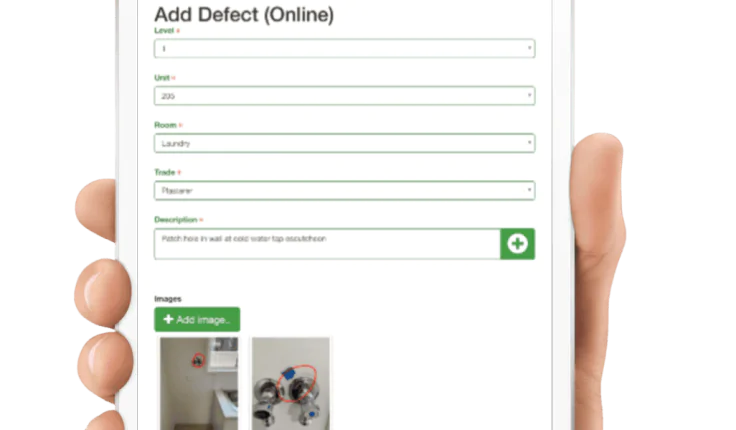
The construction and property management industries are undergoing rapid digital transformation. With increasing project complexity, tighter deadlines, and strict quality standards, manual inspection methods are no longer sufficient. This is where Building Inspection Software and related digital solutions play a vital role.
Inspection software helps construction teams, engineers, property managers, and inspectors streamline workflows, improve documentation, and ensure that every stage of a project meets required standards. From initial site inspections to long-term maintenance, these tools provide a centralized and efficient way to manage quality and compliance.
Building Inspection Software: The Foundation of Digital Quality Control
Building Inspection Software is designed to digitize the entire inspection process. Instead of using paper forms and spreadsheets, inspectors can use mobile devices to capture data, record findings, and generate instant reports.
This software allows teams to standardize inspection procedures, ensuring consistent quality across projects.
Key benefits include:
-
Real-time inspection reporting
-
Digital checklists and templates
-
Photo and video documentation
-
Cloud-based data storage
-
Improved communication between stakeholders
By automating inspection workflows, organizations can significantly reduce errors and improve efficiency.
Construction Inspection Software for Project Monitoring
Construction Inspection Software focuses specifically on monitoring quality, safety, and compliance during the construction phase. It enables project managers and inspectors to track work progress and identify potential issues early.
Construction projects involve multiple teams working simultaneously. Digital inspection tools help ensure smooth coordination by providing a shared platform for reporting and communication.
Core features include:
-
Site safety inspections
-
Quality control checklists
-
Progress tracking tools
-
Automated reporting systems
-
Task assignment and follow-ups
With this software, teams can prevent delays and maintain high construction standards.
Defect Management Software for Organized Issue Tracking
Defect Management Software helps construction professionals record, track, and resolve defects systematically. Instead of scattered communication channels, all defect information is stored in a centralized system.
Each defect can be assigned to a responsible person, prioritized, and monitored until resolution.
Key advantages include:
-
Structured defect documentation
-
Real-time status updates
-
Automated notifications
-
Detailed audit trails
-
Improved accountability
This software is especially useful for large projects where numerous issues must be handled simultaneously.
Handover Inspection Software for Seamless Project Delivery
The handover stage marks the transition of a project from construction to occupancy. Handover Inspection Software ensures that all inspections are completed and documented before the property is delivered to clients.
This software helps generate comprehensive handover reports, ensuring transparency and reducing disputes.
Key capabilities include:
-
Final inspection checklists
-
Digital approvals and signatures
-
Defect resolution tracking
-
Compliance documentation
By using handover inspection tools, construction teams can deliver projects with confidence.
Building Defect Software for Structural Quality Management
Building Defect Software focuses on identifying and managing structural issues within buildings. It helps engineers and inspectors document defects in detail and monitor their resolution.
This software also provides insights into recurring issues, helping organizations improve future construction practices.
Benefits include:
-
Detailed defect categorization
-
Long-term defect tracking
-
Maintenance planning support
-
Performance analytics
This solution helps ensure long-term building safety and reliability.
Punch List Software for Project Completion
Punch List Software is designed to manage final tasks before project completion. It replaces traditional paper punch lists with digital tools that provide real-time tracking.
With punch list software, teams can assign tasks, monitor progress, and ensure timely completion.
Key features include:
-
Task management dashboards
-
Image-based documentation
-
Instant updates and notifications
-
Workflow automation
This software ensures that no pending tasks are overlooked before final approval.
Snagging Inspection Software for Pre-Handover Quality Checks
Snagging Inspection Software helps inspectors identify minor defects before project handover. It is widely used in residential and commercial construction projects.
Inspectors can use mobile devices to document issues with photos, notes, and precise location tagging.
Advantages include:
-
Comprehensive snagging reports
-
Faster issue resolution
-
Improved quality assurance
-
Transparent communication
By resolving small defects early, teams can enhance customer satisfaction.
Property Inspection Software for Ongoing Asset Management
Property Inspection Software is essential for managing building conditions after construction. It helps property managers conduct routine inspections and maintain detailed records.
Common applications include:
-
Tenant move-in and move-out inspections
-
Maintenance tracking
-
Safety compliance checks
-
Asset condition monitoring
This software ensures that properties remain well-maintained and compliant with regulations.
New Home Inspection Software for Residential Projects
New Home Inspection Software is used by professional inspectors to evaluate newly constructed homes before occupancy. It helps identify defects and ensure construction quality.
This software enables inspectors to generate detailed reports that can be shared with homeowners and builders.
Key benefits include:
-
Accurate inspection documentation
-
Professional report generation
-
Photo-based defect recording
-
Warranty claim support
It helps build trust between developers and buyers.
Construction Defect Tracking Software for Large-Scale Projects
Construction Defect Tracking Software is designed to handle large volumes of defect data. It provides a centralized platform where teams can monitor issues throughout the project lifecycle.
This software supports:
-
Workflow automation
-
Real-time tracking dashboards
-
Performance reporting
-
Historical data analysis
It ensures efficient defect resolution and maintains project quality.
Site Inspection Software for Field Efficiency
Site Inspection Software enables inspectors to collect data directly from construction sites using mobile devices. It allows real-time reporting and eliminates manual paperwork.
Key features include:
-
Offline inspection capabilities
-
GPS location tagging
-
Instant report generation
-
Digital checklist management
This solution improves accuracy and speeds up inspection processes.
Building Maintenance Inspection Software for Long-Term Performance
Building Maintenance Inspection Software helps facility managers conduct regular inspections to maintain building safety and functionality.
It supports preventive maintenance strategies that reduce costly repairs and extend asset lifespan.
Common uses include:
-
Equipment inspections
-
Preventive maintenance scheduling
-
Compliance monitoring
-
Safety audits
This software ensures long-term building reliability.
Key Benefits of Digital Inspection Software
Digital inspection solutions offer numerous advantages for construction and property management professionals.
Increased Efficiency
Automated workflows reduce manual tasks and speed up inspections.
Enhanced Accuracy
Digital templates ensure consistent and error-free reporting.
Better Communication
Cloud platforms enable real-time collaboration.
Cost Reduction
Early defect detection minimizes expensive rework.
Regulatory Compliance
Digital documentation simplifies audits.
How to Choose the Right Inspection Software
Organizations should consider the following factors when selecting inspection software:
-
Ease of use
-
Mobile compatibility
-
Customization options
-
Integration capabilities
-
Reporting features
-
Scalability
Choosing the right solution ensures long-term operational success.
The Future of Inspection and Defect Management Technology
The future of inspection software is driven by emerging technologies such as:
-
Artificial intelligence for automated defect detection
-
Drone-based inspections
-
Predictive maintenance analytics
-
IoT integration for real-time monitoring
-
Smart building connectivity
These innovations will further enhance inspection accuracy and efficiency.
Conclusion
Inspection and defect management software has become a cornerstone of modern construction and property management. From Building Inspection Software to Site Inspection Software and Punch List Software, these digital solutions help organizations maintain quality, streamline workflows, and ensure compliance.
As the construction industry continues to adopt digital technologies, inspection software will play an increasingly important role in delivering efficient, safe, and high-quality projects.

- TAGS :
Related Posts


Medical Device Company in Bangalore: Advancing Modern Healthcare Through Innovative Medical Technology
Isabella / October 8, 2026
Recent Articles



ABOUT ME

I love to travel and then share my emotions with the readers. Thank you for following me on social media. Stay tuned for more updates!
Jenny Preston
ADVERTISEMENTS