
What types of fabrics do kurti manufacturers commonly use?
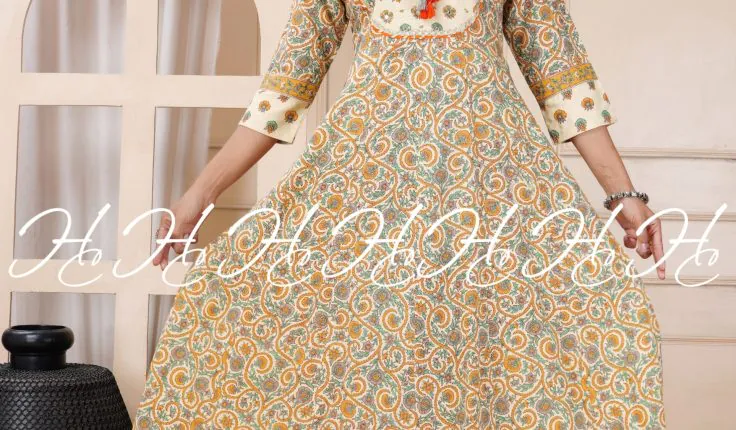
Kurti manufacturers carefully choose fabrics because material quality directly affects comfort, durability, price, and customer satisfaction. When buyers search for kurti manufacturers near me or connect with a kurti wholesaler in Jaipur, they usually want to understand which fabrics dominate the market and why. From breathable cottons to rich silks, manufacturers use a wide range of textiles to meet regional preferences, seasonal demand, and fashion trends.
Below is a detailed look at the most commonly used fabrics by kurti manufacturers and the reasons behind their popularity.
Cotton: The Most Trusted Everyday Fabric
Cotton remains the top choice for kurti manufacturers across India. Manufacturers prefer cotton because it is breathable, lightweight, and suitable for daily wear. In hot and humid climates, cotton kurtis keep the wearer comfortable throughout the day.
Manufacturers use different types of cotton, including cambric, mulmul, voile, and slub cotton. These variations help brands cater to both budget and premium segments. Buyers looking for kurti manufacturers near me often prioritize cotton collections because of consistent demand and easy resale. Cotton also supports block printing, screen printing, and embroidery, making it versatile for design experimentation.
Rayon: Affordable Elegance for Mass Markets
Rayon has become a staple fabric for kurti manufacturers due to its smooth texture and silk-like appearance. Manufacturers use rayon when they want to offer stylish kurtis at affordable prices. It drapes well, absorbs dye effectively, and looks elegant even with minimal embellishment.
A kurti wholesaler in Jaipur often stocks rayon kurtis because Jaipur’s printing techniques—like bagru and dabu—work beautifully on this fabric. Rayon suits casual, office, and semi-festive designs, making it a strong option for wholesalers targeting volume sales.
Silk: Premium Appeal for Festive Wear
Silk adds luxury and richness to kurti collections. Manufacturers commonly use silk for festive, wedding, and ethnic wear segments. Popular varieties include art silk, raw silk, chanderi silk, and tussar silk.
Kurti manufacturers select silk blends to balance cost and durability while maintaining an elegant look. Silk kurtis often feature zari work, embroidery, or traditional prints. Buyers searching for kurti manufacturers near me who cater to festive markets usually ask specifically for silk or silk-blend collections.
Georgette and Chiffon: Lightweight and Flowing Options
Georgette and chiffon appeal to customers who prefer lightweight and flowy kurtis. Manufacturers use these fabrics for party wear and modern silhouettes. Both fabrics allow easy movement and create graceful drapes.
Kurti manufacturers often blend synthetic fibers with georgette or chiffon to increase strength and reduce wrinkles. A kurti wholesaler in Jaipur frequently includes these fabrics to attract younger buyers and boutiques focused on contemporary fashion.
Linen: Premium Comfort with Natural Texture
Linen has gained popularity in recent years, especially among eco-conscious and premium customers. Manufacturers use linen for summer collections because it offers excellent breathability and a unique textured look.
Although linen costs more than cotton, kurti manufacturers justify the price through durability and natural appeal. Buyers searching for kurti manufacturers near me often choose linen kurtis for niche markets that value comfort and minimalistic style.
Crepe: Stylish and Easy to Maintain
Crepe fabric offers a slightly crinkled texture that enhances modern kurti designs. Manufacturers prefer crepe because it resists wrinkles and holds shape well. It works well for digital prints, abstract designs, and fusion styles.
Many kurti manufacturers choose synthetic crepe to reduce production costs while maintaining visual appeal. Wholesalers appreciate crepe kurtis because they travel well, require less maintenance, and attract urban customers.
Wool and Wool Blends: Seasonal Specialty Fabrics
For winter collections, kurti manufacturers use wool, pashmina blends, and acrylic wool. These fabrics provide warmth without compromising on style. Manufacturers typically design long kurtis and straight cuts using woolen fabrics.
A kurti wholesaler in Jaipur may stock limited winter collections, but manufacturers supplying North Indian markets rely heavily on wool blends during colder months. These fabrics often feature embroidery or woven patterns for added elegance.
Fabric Blends: Balancing Cost and Performance
Many kurti manufacturers use fabric blends like cotton-rayon, silk-polyester, or linen-viscose. Blended fabrics combine the strengths of each fiber, offering durability, affordability, and easy care.
Manufacturers prefer blends when producing large-scale wholesale orders because they reduce fabric wastage and improve consistency. Buyers searching for kurti manufacturers near me often request blended fabrics for better margins and customer satisfaction.
Why Fabric Selection Matters for Buyers
Understanding fabric choices helps buyers make informed decisions when working with a kurti wholesaler in Jaipur or local manufacturers. Fabric affects pricing, target audience, seasonal demand, and repeat purchases. Manufacturers who select the right fabrics build long-term trust with wholesalers and retailers.
When buyers know which fabrics sell best in their market, they can confidently choose collections that move faster and generate higher profits.
Conclusion
Kurti manufacturers commonly use fabrics like cotton, rayon, silk, georgette, linen, crepe, and blended textiles to meet diverse market needs. Each fabric serves a specific purpose, from daily comfort to festive elegance. Whether you are searching for kurti manufacturers near me or sourcing in bulk from a kurti wholesaler in Jaipur, understanding fabric options gives you a competitive edge. Smart fabric selection not only improves customer satisfaction but also strengthens your position in the growing ethnic wear market.

- TAGS :
- kurti manufacturers near me
Related Posts

New Driver in Quantico VA? How Professional Driving Lessons Help You Prepare
Andrin Andrin / March 17, 2026

New Driver in Montclair VA? Here’s What to Expect from a Driving School
Andrin Andrin / March 17, 2026

Recent Articles



ABOUT ME

I love to travel and then share my emotions with the readers. Thank you for following me on social media. Stay tuned for more updates!
Jenny Preston
ADVERTISEMENTS