
The Ultimate Guide to Building and Construction Inspection Software
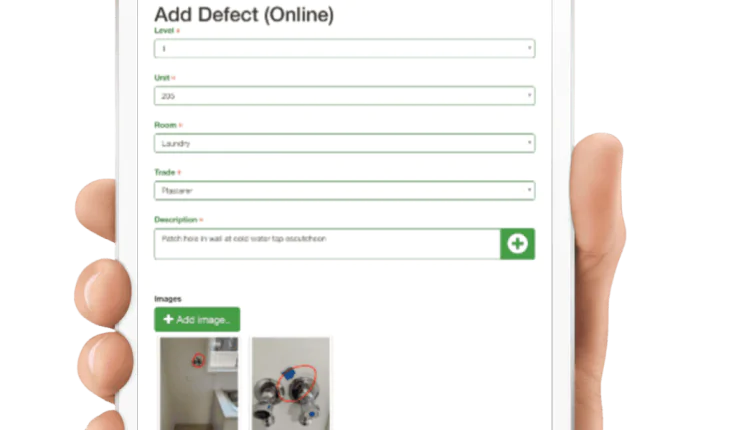
In the modern construction industry, efficiency, accuracy, and transparency are crucial. Managing inspections, tracking defects, and ensuring high-quality project delivery require more than traditional spreadsheets and paper-based reporting. This is where building inspection software and its specialized variants come in, revolutionizing how professionals handle inspections, defect management, and property handovers.
What is Building Inspection Software?
Building inspection software is a digital tool designed to streamline the inspection process across residential, commercial, and industrial projects. These platforms allow inspectors, project managers, and property owners to conduct detailed assessments, document defects, track progress, and generate comprehensive reports quickly. The benefits are clear: reduced errors, faster inspections, and improved accountability.
Modern software often integrates with mobile devices, enabling inspectors to record observations in real-time, attach photos, and generate reports on the spot. This eliminates the inefficiencies of manual data entry and provides stakeholders with actionable insights instantly.
Construction Inspection Software
Construction inspection software is a tailored version of building inspection software, specifically aimed at construction projects. From small-scale renovations to large commercial developments, construction inspection software provides:
-
Digital checklists for compliance with building codes
-
Real-time reporting of site progress
-
Integration with project management tools
-
Automated alerts for critical issues
By centralizing inspection data, construction teams can avoid costly rework, minimize delays, and maintain safety standards. Whether monitoring structural elements, electrical systems, or plumbing installations, construction inspection software ensures no detail is overlooked.
Defect Management Software
One of the most critical aspects of construction quality is defect management. Defect management software allows teams to identify, record, and resolve defects efficiently. Key features include:
-
Categorization of defects by severity and type
-
Assignment of tasks to responsible personnel
-
Automated reminders for unresolved issues
-
Tracking the lifecycle of defects from identification to resolution
Defect management software is essential for maintaining quality standards, ensuring client satisfaction, and protecting the reputation of construction companies.
Handover Inspection Software
Once a project is completed, the handover phase begins. Handover inspection software facilitates a smooth transition from the construction team to the property owner or management company. This software helps:
-
Conduct thorough final inspections
-
Ensure all contractual obligations are met
-
Document defects or incomplete work
-
Generate comprehensive handover reports
With digital handover inspections, clients can have confidence that the property meets quality standards, and contractors can demonstrate accountability.
Building Defect Software
Building defect software focuses specifically on the long-term quality and maintenance of buildings. Unlike generic inspection software, this type allows property managers, developers, and contractors to:
-
Record defects over time
-
Prioritize urgent maintenance tasks
-
Track historical issues for recurring problems
-
Communicate effectively with maintenance teams
This software is invaluable for property portfolios, as it ensures timely resolution of issues, protecting both property value and tenant satisfaction.
Punch List Software
The term “punch list” refers to a document of items that must be completed or corrected before a construction project is considered finished. Punch list software digitizes this process, providing:
-
Easy creation and assignment of punch list items
-
Photo and document attachments for clarity
-
Progress tracking until completion
-
Automated notifications for pending tasks
Punch list software not only improves communication but also ensures that projects are finalized efficiently, reducing delays in project closure.
Snagging Inspection Software
In the UK and other regions, snagging inspections are essential for identifying defects in new builds. Snagging inspection software is designed to:
-
Conduct detailed surveys of new properties
-
Record and categorize snags by type and priority
-
Generate reports for builders and clients
-
Monitor the completion of snag resolutions
This type of software is particularly popular among property developers and real estate agents, ensuring that homes are delivered in perfect condition.
Property Inspection Software
Beyond new constructions, property inspection software serves landlords, real estate agents, and facility managers. It enables:
-
Routine inspections of residential or commercial properties
-
Recording of maintenance issues
-
Tracking lease compliance and safety checks
-
Generation of inspection reports for tenants or regulatory compliance
With property inspection software, stakeholders can maintain properties efficiently, reduce legal disputes, and extend the lifespan of assets.
New Home Inspection Software
For homebuyers and developers, new home inspection software is a game-changer. It allows:
-
Thorough inspections before handover
-
Documentation of construction defects
-
Easy sharing of inspection results with stakeholders
-
Tracking of repairs and maintenance tasks
By using new home inspection software, buyers gain peace of mind, while builders maintain credibility and reduce post-sale disputes.
Construction Defect Tracking Software
Large-scale projects often face recurring or complex issues. Construction defect tracking software provides:
-
Centralized logging of defects across multiple sites
-
Analytical dashboards for recurring problem identification
-
Assignment of corrective actions
-
Compliance tracking with local regulations
This software ensures that construction defects are resolved promptly, minimizing project delays and cost overruns.
Site Inspection Software
On-site inspections are a critical part of construction management. Site inspection software enables field teams to:
-
Conduct safety and quality inspections on the go
-
Attach photos, videos, and notes for clarity
-
Track inspection frequency and results
-
Generate instant reports for managers
The mobile-first approach ensures inspectors spend more time on-site and less on paperwork, improving operational efficiency.
Building Maintenance Inspection Software
Long after a project is complete, building maintenance inspection software keeps properties in top condition. It provides:
-
Scheduled inspections for preventive maintenance
-
Logging and tracking of repairs
-
Monitoring building systems such as HVAC, plumbing, and electrical
-
Reporting for compliance and budgeting
Maintenance software reduces emergency repairs, improves occupant satisfaction, and extends the life of building assets.
Benefits of Using Inspection and Defect Management Software
Implementing these digital solutions across construction and property management offers numerous advantages:
-
Time Efficiency – Automates inspection reports, reducing administrative tasks.
-
Accuracy – Minimizes human errors with structured checklists and real-time data capture.
-
Cost Savings – Early detection of defects prevents expensive rework.
-
Transparency – Provides clear communication between contractors, clients, and inspectors.
-
Compliance – Ensures adherence to safety standards and local building regulations.
-
Data Analytics – Enables trend tracking, predictive maintenance, and performance evaluation.
From residential developments to industrial complexes, these tools improve project outcomes, client satisfaction, and long-term property value.
Choosing the Right Software
Selecting the right software depends on your needs:
-
Small projects – A mobile-first site inspection or punch list app may suffice.
-
Large developments – Comprehensive construction defect tracking software is ideal.
-
Property management – Building maintenance and property inspection software ensures ongoing upkeep.
-
New home delivery – Snagging and handover inspection software streamline buyer handover.
Consider factors such as mobile accessibility, integration with project management tools, reporting capabilities, and ease of use for field staff.
Future Trends in Construction and Inspection Software
The industry continues to evolve with new technologies:
-
AI and Machine Learning – Predict defects and optimize maintenance schedules.
-
IoT Integration – Real-time monitoring of building systems.
-
Cloud-Based Platforms – Enable seamless collaboration between remote teams.
-
Augmented Reality (AR) – Enhance site inspections with visual overlays.
Adopting these technologies ensures companies stay competitive while improving quality, safety, and efficiency.
Conclusion
From building inspection software to construction defect tracking and property maintenance solutions, digital inspection tools are transforming the construction and real estate industries. They streamline workflows, improve accountability, and ensure that every project—whether a small home or a large commercial complex—meets the highest standards.
Investing in these technologies is not just about digitization; it’s about creating a culture of quality, safety, and transparency. For builders, inspectors, property managers, and developers, the right software becomes an indispensable partner in delivering projects on time, within budget, and to the satisfaction of all stakeholders.

- TAGS :
Related Posts

Mastering the Road: Why Choosing the Right Driving School Matters in Northern Virginia
Isabella / March 26, 2026

Mastering the Road: Choosing the Right Driving School for Success in Fairfax County and Triangle
Isabella / March 26, 2026

Finding the Right Driving School: A Complete Guide for New Drivers in Virginia
Isabella / March 26, 2026
Recent Articles


ABOUT ME

I love to travel and then share my emotions with the readers. Thank you for following me on social media. Stay tuned for more updates!
Jenny Preston
ADVERTISEMENTS