
Is Paleo Protein Powder safe for people with dairy or gluten sensitivities?
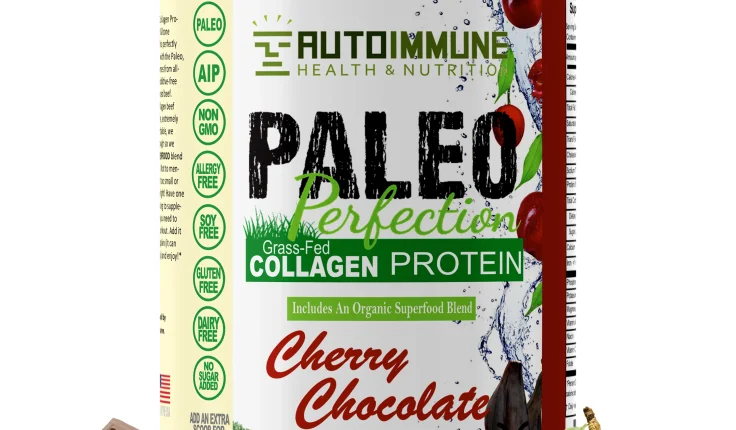
If you have dairy or gluten sensitivities, choosing the right protein supplement can feel overwhelming. Many popular protein powders contain whey, casein, or gluten-based additives that can trigger uncomfortable reactions like bloating, rashes, digestive distress, or fatigue. This is why Paleo Protein Powder has become a popular option for people wanting a cleaner, simpler, and more allergy-friendly alternative. But is it truly safe for those avoiding dairy and gluten? In this article, we take a closer look at what makes Paleo-friendly protein powders different, how they’re sourced, and why they’re often recommended for people with food sensitivities.
What Makes Paleo Protein Powder Different?
The Paleo diet focuses on eating foods that mimic the diet of early humans—clean, minimally processed, and free from modern allergens. A Paleo Protein Powder follows the same principles. It typically contains protein from sources like:
- Egg whites
- Grass-fed beef protein isolate
- Collagen
- Bone broth concentrate
These forms of protein are naturally free from dairy and gluten. Unlike whey-based powders, which come from milk, Paleo-friendly options rely on animal or occasionally plant sources that support easy digestion and gut health.
In addition, Paleo formulas avoid artificial flavors, gums, fillers, soy, grains, and sweeteners that often appear in commercial protein products. This makes them an excellent choice for people who want a Natural Protein Powder without unnecessary ingredients that could irritate the gut.
Is Paleo Protein Powder Safe for People Sensitive to Dairy?
Yes — in most cases, Paleo Protein Powders are considered safe for individuals with dairy sensitivities. Here’s why:
- No Whey or Casein
Traditional protein powders rely heavily on whey or casein, two forms of milk protein. These can be difficult for sensitive individuals to digest. Paleo powders eliminate these proteins entirely, using egg or beef protein instead.
- Dairy-Free Certification
Many Paleo-friendly brands proudly label their products “dairy-free,” ensuring no hidden milk-derived ingredients slip into the formula.
- Clean Ingredient Profiles
Because Paleo powders aim to be natural and allergen-friendly, they avoid dairy derivatives commonly used in manufacturing, such as lactose fillers or milk-based flavoring agents.
However, it is always smart to read the label, especially if you have a severe allergy. Not all brands follow strict Paleo guidelines, and cross-contamination is still possible if the powder is processed in a facility that also handles dairy.
Is Paleo Protein Powder Safe for People Sensitive to Gluten?
Absolutely. The majority of Paleo Protein Powders are inherently gluten-free, as the Paleo lifestyle restricts grains entirely—including wheat, rye, and barley.
Here’s what makes them a safer option for gluten-sensitive individuals:
- Grain-Free Formula
Because gluten is present in grain-based foods, and Paleo prohibits grains, there’s no room for gluten-containing ingredients in a true Paleo formula.
- No Gluten-Based Fillers
Many protein powders include additives like maltodextrin, stabilizers, or flavor enhancers that can be derived from wheat. Paleo powders avoid these fillers, making them a cleaner choice.
- Gut-Friendly Ingredients
People with gluten sensitivities often experience inflammation or digestive upset. Paleo proteins, especially bone broth and collagen varieties, can actually help soothe and support gut health.
Still, for individuals with celiac disease, it’s essential to choose a brand with a certified gluten-free stamp to minimize contamination risks.
Why Paleo Protein Powder Is a Great Natural Alternative
Choosing a Natural Protein Powder is becoming more important for people wanting to avoid synthetic additives and improve gut health. Paleo-style formulas stand out because they offer:
- Minimal Ingredients
Most Paleo proteins contain just 2–5 ingredients, making them more transparent and trustworthy.
- High Digestibility
Egg white, collagen, and beef isolates are gentle on the stomach compared to whey, which can cause bloating.
- Better Amino Acid Profiles
Beef isolate and egg white protein provide complete amino acid profiles, which support muscle recovery, immune strength, and connective tissue repair.
- No Artificial Sweeteners
Paleo powders typically use natural sweeteners like monk fruit, coconut sugar, or are completely unsweetened—ideal for those avoiding chemicals such as sucralose and aspartame.
Who Should Consider Using Paleo Protein Powder?
You might benefit from switching to Paleo Protein Powder if:
- You experience bloating or discomfort from whey protein
- You have lactose intolerance or dairy allergies
- You have gluten sensitivity, celiac disease, or digestive issues
- You follow a grain-free or Paleo-style diet
- You prefer clean, natural supplements
- You want a protein that supports gut and joint health
People dealing with autoimmune conditions or chronic inflammation often choose Paleo-friendly proteins because they are gentle on the digestive system and free from common irritants.
How to Choose a Safe and High-Quality Paleo Protein Powder
Look for the following when shopping:
- “Dairy-free” and “gluten-free” labeling
- No artificial sweeteners, flavors, or preservatives
- No gums, soy, or grain-based additives
- Protein source (egg, collagen, beef isolate, bone broth)
- Third-party testing or quality certifications
- Transparent ingredient list
Choosing a reputable brand ensures safety, especially if you have serious food sensitivities.
Final Thoughts
So, is Paleo Protein Powder safe for people with dairy or gluten sensitivities?
In most cases, yes — it’s one of the safest and most natural protein options available. Since Paleo formulas intentionally avoid dairy, gluten, grains, and artificial additives, they offer a clean and gentle alternative for anyone with digestive sensitivities. If you want a Natural Protein Powder that supports muscle recovery, gut health, and overall wellness without risking uncomfortable reactions, Paleo protein is an excellent choice.

- TAGS :
- Paleo Protein Powder
Related Posts

The Importance of Surgical Products and Wound Closure in Modern Healthcare
Lucas Reed / March 11, 2026


Recent Articles


ABOUT ME

I love to travel and then share my emotions with the readers. Thank you for following me on social media. Stay tuned for more updates!
Jenny Preston
ADVERTISEMENTS