
Influential Design Movements and Figures: From Folk Traditions to Modern Functional Art
Design history is a fascinating journey through cultural traditions, architectural philosophies, and the creative visions of influential designers. Across centuries, different movements have shaped the way we understand form, function, and beauty in everyday objects and spaces. From the simplicity of folk art to the refined modernism of mid-century design, these styles reveal how design evolves through culture, craftsmanship, and innovation.
Folk art represents one of the oldest and most authentic forms of creative expression. It originates from local traditions and communities rather than academic institutions or professional designers. Often handmade using locally available materials, folk art reflects the customs, beliefs, and everyday lives of people in a specific region. Whether seen in hand-painted furniture, textiles, pottery, or decorative objects, folk art carries a strong sense of identity and heritage. Its beauty lies in its simplicity, storytelling, and the individuality of the maker.
Closely related to folk art is vernacular design. Vernacular architecture and objects develop naturally from the environment, climate, and cultural practices of a place. Instead of following formal architectural rules, vernacular design relies on practical knowledge passed down through generations. Rural homes built with mud, stone, timber, or thatch are good examples. These structures prioritize functionality, sustainability, and adaptation to local conditions. Vernacular design is now gaining renewed interest as architects and designers seek more sustainable and culturally rooted solutions.
Alpine design is another style deeply connected to its geographical context. Inspired by the mountainous regions of the Alps in countries like Switzerland, Austria, and northern Italy, Alpine design focuses on warmth, durability, and comfort. Interiors often feature natural materials such as wood and stone, combined with cozy textiles like wool and fur. Large wooden beams, handcrafted furniture, and warm lighting create a welcoming atmosphere that protects against harsh winter climates. The aesthetic is both rustic and refined, blending traditional craftsmanship with contemporary comfort.
Rural design overlaps with many of these traditions, emphasizing a connection to nature and simple living. Rural interiors and furniture often incorporate handmade elements, natural textures, and earthy colors. Unlike urban design trends that change rapidly, rural styles tend to remain timeless because they prioritize practicality and durability. Wooden tables, woven baskets, clay pottery, and simple linen fabrics are typical elements that contribute to a calm and grounded environment.
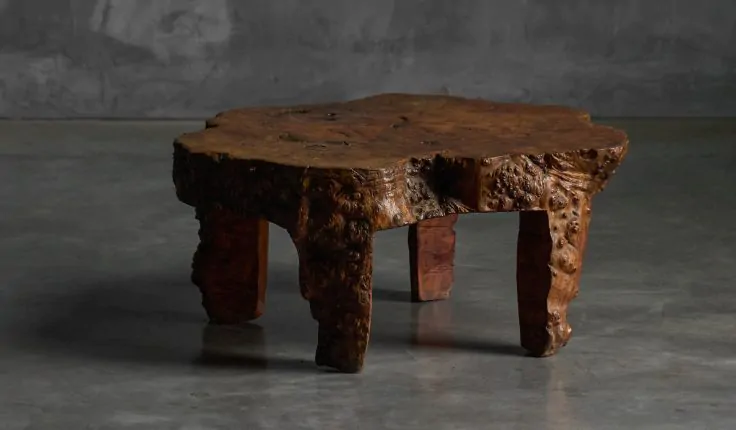
Rustic furniture is one of the most recognizable expressions of rural design. Characterized by raw materials and visible craftsmanship, rustic furniture often retains the natural texture and imperfections of wood. Instead of polished surfaces and elaborate decoration, the focus is on strength, authenticity, and organic beauty. Hand-hewn beams, thick wooden tables, and sturdy chairs demonstrate the skill of traditional craftsmen. Rustic furniture has become popular in modern interiors as people seek a sense of warmth and authenticity in their living spaces.
One important figure in architectural theory is Dom Hans van der Laan, a Dutch Benedictine monk and architect known for his philosophical approach to proportion and space. He developed the concept of the “Plastic Number,” a mathematical ratio used to create harmony in architecture and design. Van der Laan believed that architecture should create a balanced relationship between human perception and built space. His monastery designs and theoretical writings have influenced architects interested in minimalism, proportion, and spiritual architecture.
The Japanese philosophy of Wabi Sabi offers another perspective on beauty and design. Wabi Sabi celebrates imperfection, impermanence, and simplicity. Rather than seeking flawless surfaces or symmetry, it appreciates natural aging, irregular shapes, and the quiet elegance of worn materials. In interiors, this philosophy is expressed through minimal decoration, natural textures, muted colors, and handcrafted objects. A cracked ceramic bowl or weathered wooden table can hold deep aesthetic value because it reflects the passage of time and the authenticity of materials.
The Amsterdamse School is a unique architectural movement that emerged in the Netherlands in the early twentieth century. Known for its expressive forms and elaborate brickwork, this style combines elements of expressionism with decorative craftsmanship. Buildings designed in the Amsterdamse School style often feature sculptural facades, intricate brick patterns, and artistic details integrated into architecture. The movement extended beyond buildings to include furniture, interior design, and decorative arts, creating a cohesive artistic vision.
Art Deco represents a major shift toward modern luxury and geometric elegance. Emerging in the 1920s and 1930s, Art Deco embraced bold shapes, rich materials, and symmetrical patterns. Designers used materials such as lacquer, chrome, glass, and exotic woods to create glamorous interiors and objects. The style was influenced by technological progress, global travel, and fascination with modernity. Art Deco architecture, furniture, and graphic design remain iconic symbols of the optimism and sophistication of the early twentieth century.
Mid-century design, which developed roughly between the 1940s and 1960s, introduced a new approach to modern living. Designers emphasized clean lines, functional forms, and innovative materials such as molded plywood, fiberglass, and aluminum. The movement aimed to create affordable and practical furniture for a growing middle class after World War II. Mid-century interiors often feature open spaces, organic shapes, and a harmonious connection between indoor and outdoor environments. Today, mid-century design continues to influence contemporary furniture and architecture.
Brazilian design brought a distinctive cultural identity to modernism. During the mid-twentieth century, Brazilian architects and designers blended international modernist principles with local materials, tropical climates, and cultural influences. Designers used rich hardwoods, woven fibers, and sculptural forms to create furniture that felt both modern and deeply rooted in Brazilian traditions. This approach helped establish Brazil as an important center of innovative design.
Pierre Chapo was a French furniture designer known for his mastery of solid wood construction and structural clarity. His furniture pieces often showcase visible joinery and geometric forms that highlight the natural beauty of wood. Chapo believed in craftsmanship, durability, and timeless design. His tables, chairs, and cabinets demonstrate how simple forms and careful proportions can create powerful visual impact without unnecessary ornamentation.
Charlotte Perriand was one of the most influential designers of the twentieth century. She collaborated with prominent modernist architects and played a key role in shaping modern furniture design. Perriand believed that design should improve everyday life and reflect the realities of modern living. Her work combined industrial materials with natural elements, resulting in furniture that was both functional and elegant. She also explored the relationship between architecture, interior design, and social progress.
Functional art bridges the gap between artistic expression and practical use. Unlike purely decorative art, functional art objects serve a purpose while also expressing creativity and craftsmanship. Handmade ceramics, sculptural furniture, and artistic lighting fixtures are examples of functional art. This approach encourages designers and artists to rethink everyday objects as opportunities for aesthetic exploration. Functional art highlights the idea that beauty and practicality can coexist in daily life.
Jean Prouvé was another key figure in modern design and architecture. A French designer and engineer, Prouvé focused on industrial production techniques and structural innovation. He believed that furniture and buildings should be designed with the same logic as machines, emphasizing efficiency, strength, and simplicity. Many of his designs use metal frames and modular components that can be easily assembled and disassembled. Prouvé’s work represents the fusion of engineering precision with elegant design.
These diverse movements and designers illustrate the rich evolution of design across cultures and time periods. From the humble craftsmanship of folk art to the technological innovation of modern industrial design, each approach reflects different values and creative priorities. Some emphasize tradition and handmade techniques, while others explore new materials and production methods.
Despite their differences, many of these styles share common themes. They often seek a balance between function and aesthetics, respect for materials, and a meaningful connection between people and their environments. Whether through rustic furniture, modernist architecture, or philosophical design principles, these movements demonstrate how design shapes the way we live, work, and experience the world.
Understanding these influences helps us appreciate the depth and diversity of design history. It also reminds us that good design is not only about appearance but also about purpose, context, and human experience. As contemporary designers continue to explore sustainability, craftsmanship, and innovation, they often draw inspiration from these earlier movements and visionary creators. The dialogue between tradition and modernity ensures that design will continue to evolve while honoring the ideas that shaped its past.

- TAGS :
Related Posts

Medical Device Company in Bangalore: Advancing Critical Care Technology
Isabella / March 13, 2026


Reasons Hastelloy Bolts Are Preferred in Extreme Corrosion Environments
Isabella / March 12, 2026
Recent Articles


ABOUT ME

I love to travel and then share my emotions with the readers. Thank you for following me on social media. Stay tuned for more updates!
Jenny Preston
ADVERTISEMENTS