
Warehouse Management System, Inventory Management Software, and Procurement Software: A Comprehensive Guide
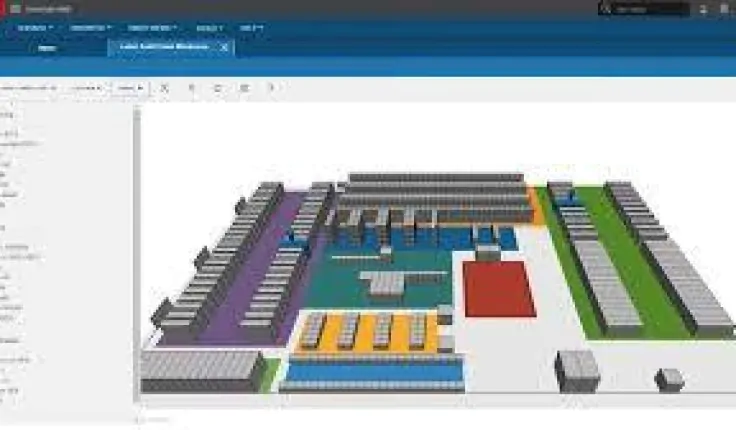
In today’s fast-paced business environment, efficient management of warehouses, inventory, and procurement processes is no longer optional. Companies that fail to streamline these operations often face higher costs, reduced customer satisfaction, and lost revenue opportunities. To address these challenges, businesses are increasingly turning to Warehouse Management Systems (WMS), inventory management software, and procurement software. This article provides an in-depth exploration of these technologies, their benefits, and how to select the best inventory management software for your organization.
What is a Warehouse Management System (WMS)?
A Warehouse Management System WMS is specialized software designed to manage and optimize warehouse operations. This system helps organizations track inventory levels, manage stock locations, streamline order fulfillment, and improve overall warehouse efficiency.
Unlike basic inventory management tools, a WMS provides granular control over warehouse processes, including:
-
Inbound logistics: Receiving goods, checking for accuracy, and storing items in optimal locations.
-
Inventory tracking: Real-time visibility into stock levels, locations, and movement.
-
Order fulfillment: Picking, packing, and shipping orders efficiently.
-
Reporting and analytics: Generating detailed insights to improve warehouse performance and reduce costs.
A robust WMS integrates seamlessly with other systems such as Enterprise Resource Planning (ERP), e-commerce platforms, and transportation management systems (TMS), creating a cohesive ecosystem for supply chain management.
The Benefits of a Warehouse Management System
Implementing a WMS offers numerous advantages for businesses of all sizes:
-
Enhanced Inventory Accuracy: By tracking every movement of inventory, a WMS reduces errors caused by manual processes.
-
Increased Productivity: Automated workflows streamline picking, packing, and shipping, reducing labor costs and improving efficiency.
-
Improved Customer Satisfaction: Faster and more accurate order fulfillment leads to better customer experiences.
-
Cost Savings: Optimized storage and efficient labor allocation minimize operational costs.
-
Data-Driven Decisions: Analytics and reporting provide insights to improve warehouse layout, staffing, and inventory planning.
Companies using WMS often see a return on investment within months due to reduced errors, improved efficiency, and better inventory control.
What is Inventory Management Software?
While WMS focuses on the warehouse, inventory management software provides broader oversight of stock across multiple locations, including warehouses, retail stores, and even third-party logistics providers. This type of software helps organizations monitor inventory levels, track product movements, forecast demand, and automate replenishment processes.
Key features of inventory management systems include:
-
Inventory tracking: Monitor stock levels in real-time across multiple locations.
-
Reorder alerts: Automatic notifications when stock falls below a set threshold.
-
Barcode/RFID integration: Simplifies stock counting and reduces human error.
-
Demand forecasting: Predict future inventory needs based on historical data.
-
Reporting and analytics: Gain insights into turnover rates, slow-moving items, and inventory valuation.
By leveraging inventory management software, businesses can reduce stockouts, prevent overstocking, and maintain optimal inventory levels, which are critical for maximizing profitability.
Best Inventory Management Software Solutions
Selecting the best inventory management software depends on your business needs, scale, and budget. Top solutions often include features like real-time tracking, integration capabilities, and advanced analytics. Some popular options include:
-
Zoho Inventory: Ideal for small to medium-sized businesses, offering multi-channel sales support and automated workflows.
-
NetSuite: A cloud-based solution for enterprises, integrating inventory management with finance, CRM, and e-commerce.
-
Fishbowl: Known for manufacturing and warehouse inventory management, with strong integration options for QuickBooks.
-
TradeGecko (now QuickBooks Commerce): Provides robust order management and inventory tracking for growing businesses.
-
Odoo: An open-source solution with modules for inventory, procurement, and warehouse management, customizable for various industries.
When choosing inventory management software, consider ease of use, scalability, integration with existing systems, and support for multi-location operations.
WMS vs. Inventory Management Software: Understanding the Difference
Though often used interchangeably, WMS and inventory management systems serve different purposes:
| Feature | Warehouse Management System (WMS) | Inventory Management Software (IMS) |
|---|---|---|
| Focus | Warehouse operations | Inventory tracking and control |
| Scope | Inbound/outbound logistics, picking, packing, shipping | Stock levels, demand forecasting, procurement |
| Key Users | Warehouse managers, logistics teams | Procurement, sales, finance teams |
| Integration | ERP, TMS, e-commerce platforms | ERP, accounting, WMS |
| Complexity | High – manages operational workflows | Moderate – manages inventory data |
Many organizations implement both systems together. A WMS ensures operational efficiency in the warehouse, while an inventory management system provides broader oversight and forecasting across the supply chain.
The Role of Procurement Software
Procurement is a critical component of supply chain management. Procurement software helps businesses automate purchasing processes, manage supplier relationships, and track purchase orders. Integrating procurement software with a WMS or inventory management system ensures that stock replenishment aligns with demand forecasts, minimizing stockouts and excess inventory.
Key features of procurement software include:
-
Purchase order management: Create, approve, and track orders from suppliers.
-
Supplier management: Maintain records, performance ratings, and contracts with suppliers.
-
Automated workflows: Streamline approvals and notifications.
-
Spend analysis: Monitor spending patterns to identify cost-saving opportunities.
-
Integration with inventory systems: Ensure that purchases are aligned with inventory needs.
By implementing procurement software, companies improve supplier collaboration, reduce procurement cycle times, and achieve better control over operational costs.
Benefits of Integrating WMS, Inventory, and Procurement Systems
The real power of these systems comes when they are integrated. By linking WMS, inventory management software, and procurement software, businesses can create a seamless flow of information across their supply chain. Benefits include:
-
Real-Time Inventory Visibility: Ensure stock levels are accurate across all locations, reducing overstocking and stockouts.
-
Improved Forecasting: Demand planning becomes more accurate with consolidated data from procurement and inventory systems.
-
Reduced Operational Costs: Automation eliminates redundancies and manual errors.
-
Enhanced Customer Satisfaction: Faster, error-free order fulfillment improves reliability and trust.
-
Better Supplier Management: Integration ensures timely replenishment and stronger supplier relationships.
Ultimately, these systems empower businesses to operate with agility, respond quickly to market changes, and scale efficiently.
Features to Look for in the Best Inventory and Warehouse Management Software
When evaluating software solutions, consider the following features:
-
Cloud-Based Access: Enables remote management and reduces IT infrastructure costs.
-
Scalability: The system should grow with your business needs.
-
Automation: Reduce manual effort in order processing, stock updates, and reporting.
-
Integration Capabilities: Seamless connectivity with ERP, CRM, e-commerce, and shipping platforms.
-
User-Friendly Interface: Easy adoption ensures team efficiency.
-
Analytics and Reporting: Real-time insights for informed decision-making.
-
Multi-Location Support: Essential for businesses operating in multiple warehouses or regions.
Choosing software with these features ensures long-term value and efficiency for your organization.
Trends in Warehouse, Inventory, and Procurement Management
The logistics and supply chain industry is evolving rapidly, and several trends are shaping the future of WMS, inventory, and procurement software:
-
AI and Machine Learning: Advanced algorithms improve demand forecasting, route optimization, and inventory management.
-
Automation and Robotics: Automated picking, packing, and sorting reduce labor costs and improve accuracy.
-
IoT and RFID Technology: Real-time tracking of goods enhances visibility and control.
-
Cloud Computing: Cloud-based solutions enable remote management, scalability, and cost savings.
-
Data-Driven Decision Making: Predictive analytics allow businesses to anticipate trends and optimize operations proactively.
Staying ahead of these trends ensures businesses remain competitive and resilient in an ever-changing market.
Conclusion
Efficient management of warehouses, inventory, and procurement is essential for business success. Warehouse Management Systems (WMS), inventory management software, and procurement software provide the tools necessary to streamline operations, reduce costs, and improve customer satisfaction. By integrating these systems, businesses gain real-time visibility, better forecasting, and enhanced operational efficiency.
Investing in the best inventory management software and complementary solutions is not just a technological upgrade—it’s a strategic move that can transform supply chain operations, enhance profitability, and position a business for long-term growth.
Whether you are a small business or a large enterprise, embracing modern warehouse, inventory, and procurement technologies is the key to staying competitive in today’s dynamic market.

- TAGS :
Related Posts

Informations essentielles sur les traitements médicaux disponibles en France
Isabella / October 7, 2026

Médicaments et santé en ligne en France : les bonnes pratiques à connaître
Isabella / October 7, 2026
Recent Articles


ABOUT ME

I love to travel and then share my emotions with the readers. Thank you for following me on social media. Stay tuned for more updates!
Jenny Preston
ADVERTISEMENTS